Buy management-coaching.eu ?
We are moving the project
management-coaching.eu .
Are you interested in purchasing the domain
management-coaching.eu ?
domain@kv-gmbh.de · 0541-91531010
Buy management-coaching.eu ?
What are Indo-European Aryans?
Indo-European Aryans were a group of people who spoke the Indo-European language and were believed to have migrated from the Eurasian steppes into regions such as India, Iran, and Europe around 4000-2000 BCE. They were a nomadic, pastoral society with a hierarchical social structure and a pantheon of gods. The term "Aryan" has been misused in the past to promote racist ideologies, but it is important to understand the historical and linguistic context in which the Indo-European Aryans existed. **
What is Proto-Indo-European?
Proto-Indo-European is the hypothetical common ancestor of the Indo-European language family, which includes languages such as English, Spanish, Hindi, Russian, and many others. It is believed to have been spoken thousands of years ago, possibly around 4500-2500 BCE, in the Pontic-Caspian steppe region. Linguists have reconstructed Proto-Indo-European based on similarities found in the vocabulary, grammar, and phonology of its descendant languages. While no written records of Proto-Indo-European exist, its existence is inferred from the similarities among the Indo-European languages. **


Similar search terms for Indo-European
Top-Angebote
Products related to Indo-European:
-
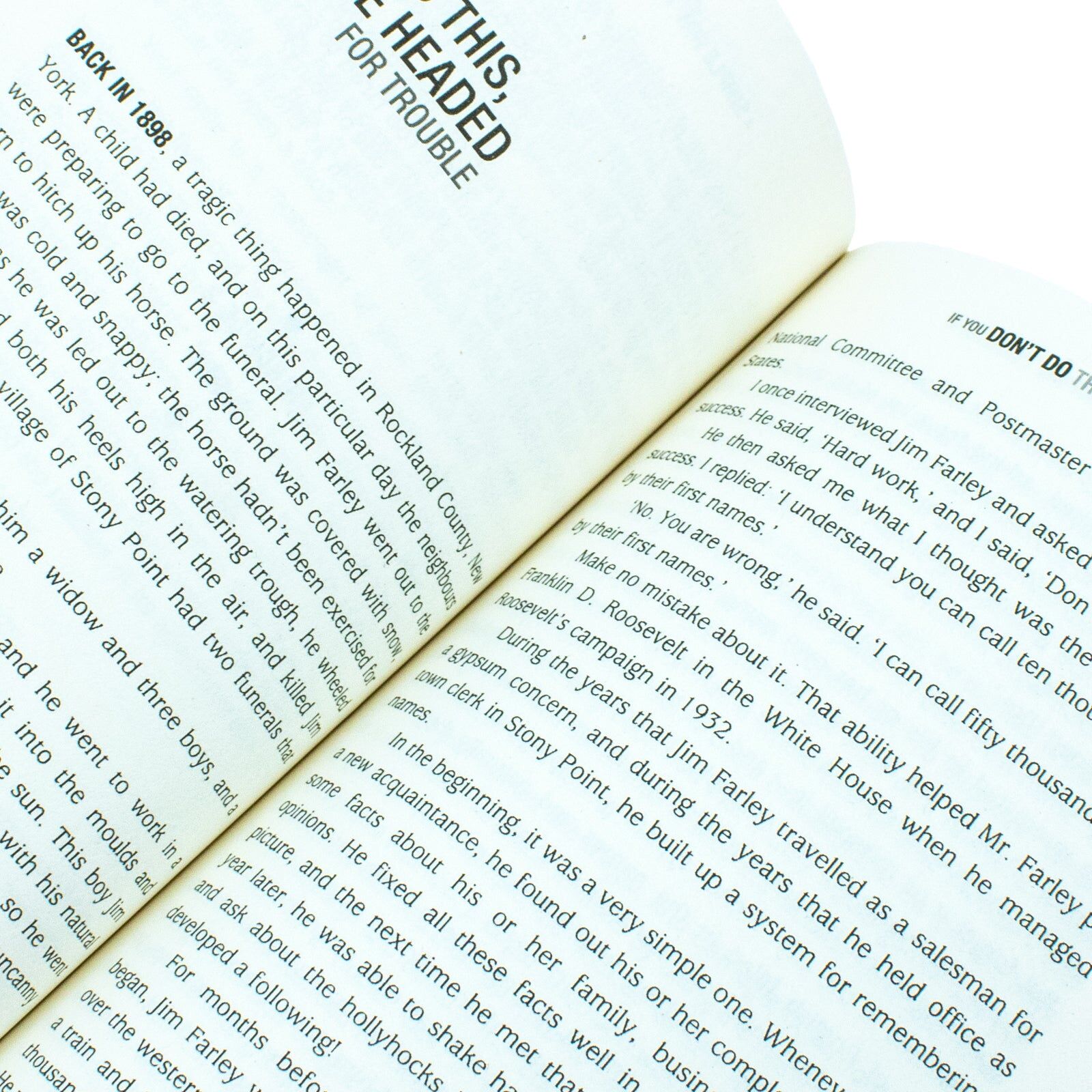
Wilco International LLP How to Win Friends and Influence People by Dale Carnegie Classic Self Help Book on Communication, Leadership, Confidence & Personal DevelopmentDiscover one of the world's best-known personal development books with How to Win Friends and Influence People by Dale Carnegie. First published in 1936, this enduring classic presents practical principles for communicating effectively, building positive relationships and working successfully with other people. Through memorable examples and straightforward advice, Carnegie explores how to make a positive impression, handle disagreements constructively, encourage cooperation and become a more effective communicator. The principles can be applied across everyday life, from personal relationships and social situations to business, management, sales, networking and leadership. Accessible and practical, How to Win Friends and Influence People remains popular with readers interested in improving their communication skills, confidence, interpersonal relationships and professional development. Key Features Classic personal development book by Dale Carnegie Practical principles for improving communication Explores relationships, leadership and interpersonal skills Useful for business, management, sales and networking Helps readers understand effective people skills Suitable for personal and professional development Excellent gift for entrepreneurs, managers and self-improvement readers9,99 £*Shipping: 2,99 £Secure redirect to the provider
-
ECARPETGALLERY Hand Loomed Indo Gabbeh Grey Wool Rug - 7'11 x 9'11Primary materials:100% Wool / 100% Cotton Pile height:Approx 0.50 In Style:Gabbeh,Tribal Primary color:Grey Secondary colors:Cream, Grey Pattern:Open Field Tip: We recommend the use of a non-skid pad to keep the rug in place on smooth surfaces.1204,49 $*Shipping: 0,00 $Secure redirect to the provider
-
ECARPETGALLERY Hand Loomed Indo Gabbeh Brown Wool Rug - 8'3 x 9'10Primary materials:100% Wool / 100% Cotton Pile height:Approx 0.50 In Style:Gabbeh,Tribal Primary color:Brown Secondary colors:Brown, Cream Pattern:Open Field Tip: We recommend the use of a non-skid pad to keep the rug in place on smooth surfaces.1242,99 $*Shipping: 0,00 $Secure redirect to the provider
-
ECARPETGALLERY Hand Loomed Indo Gabbeh Blue Wool Rug - 5'11 x 8'11Primary materials:100% Wool / 100% Cotton Pile height:Approx 0.50 In Style:Gabbeh,Tribal Primary color:Blue Secondary colors:Blue, Tan Pattern:Open Field Tip: We recommend the use of a non-skid pad to keep the rug in place on smooth surfaces.817,49 $*Shipping: 0,00 $Secure redirect to the provider


-
What are Indo-European languages?
Indo-European languages are a large language family that includes over 400 languages and dialects spoken by about 3 billion people, making it the largest language family in the world. These languages are spoken primarily in Europe, Western and South Asia, and parts of the Americas. Some of the most widely spoken Indo-European languages include English, Spanish, Hindi, and Russian. The family is believed to have originated from a common ancestral language spoken thousands of years ago, and it has since diversified into the many languages we know today. **
-
Why is the origin Indo-European?
The origin of the Indo-European language family is believed to be in the Pontic-Caspian steppe region, which is located in present-day Ukraine and southern Russia. This region is considered the homeland of the Proto-Indo-European people, from whom the Indo-European languages are believed to have descended. Linguistic evidence, as well as archaeological and genetic research, supports the theory that the Indo-European languages spread from this region through migrations and cultural exchanges. The diverse and widespread nature of the Indo-European languages today can be traced back to this ancient origin in the Pontic-Caspian steppe. **
-
How can one learn Indo-European?
One can learn Indo-European by studying its grammar, vocabulary, and phonology through textbooks, online resources, and language courses. It is important to familiarize oneself with the historical context and evolution of the language family to understand its structure and development. Practice speaking, writing, and listening to Indo-European languages to improve fluency and comprehension. Additionally, joining language exchange groups or finding a tutor can provide valuable opportunities for conversation and feedback. **
-
Are there any popular science books on Indo-European studies?
Yes, there are popular science books on Indo-European studies. Some well-known titles include "The Horse, the Wheel, and Language: How Bronze-Age Riders from the Eurasian Steppes Shaped the Modern World" by David W. Anthony and "The Indo-Europeans: In Search of the Homeland" by Alain de Benoist. These books provide accessible and engaging overviews of the history, culture, and language of the Indo-European peoples, making them popular choices for readers interested in the subject. **


Are there planned languages based on the Indo-European language family?
Yes, there are planned languages based on the Indo-European language family. One example is Latino sine Flexione, a simplified version of Latin created by Italian mathematician Giuseppe Peano. Another example is Interlingua, which was developed in the early 20th century and is based on the Romance languages within the Indo-European family. These planned languages were designed to be easy to learn and understand for speakers of Indo-European languages. **
Which peoples belong to the Aryan race and speak Indo-European languages?
The Aryan race is a controversial and outdated concept that has been discredited by modern scientific understanding. The term "Aryan" was historically used to describe a group of people who were believed to have migrated from Central Asia and spread across Europe and parts of Asia, and who spoke Indo-European languages. However, it is important to note that the concept of the Aryan race has been misused in the past to promote racist and supremacist ideologies. Today, the idea of the Aryan race is not considered valid, and it is important to approach discussions of language and ethnicity with sensitivity and respect for diverse cultures and histories. **
Top-Angebote
Products related to Indo-European:
-
Pan Macmillan Radical Candor by Kim Scott The Bestselling Leadership Book - Management, Feedback & Workplace Culture BookRadical Candor by Kim Scott is a groundbreaking leadership and communication guide that teaches how to give feedback effectively, build trust, and create high-performing teams without becoming harsh—or avoiding difficult conversations. Based on Scott’s experience at Google, Apple and Silicon Valley startups, Radical Candor introduces a simple but powerful framework built on two pillars: Care Personally Challenge Directly The book provides practical tools for giving honest feedback, fostering open communication, strengthening working relationships, and becoming a more compassionate and impactful leader. Perfect for managers, team leaders, HR professionals, and anyone wanting to build a healthy, productive workplace culture. Radical Candor is the perfect handbook for those who are looking to find meaning in their job and create an environment where people love both their work and their colleagues, and are motivated to strive to ever greater success.2,99 £*Shipping: 1,99 £Secure redirect to the provider
-
Wilco International LLP How to Win Friends and Influence People by Dale Carnegie Classic Self Help Book on Communication, Leadership, Confidence & Personal DevelopmentDiscover one of the world's best-known personal development books with How to Win Friends and Influence People by Dale Carnegie. First published in 1936, this enduring classic presents practical principles for communicating effectively, building positive relationships and working successfully with other people. Through memorable examples and straightforward advice, Carnegie explores how to make a positive impression, handle disagreements constructively, encourage cooperation and become a more effective communicator. The principles can be applied across everyday life, from personal relationships and social situations to business, management, sales, networking and leadership. Accessible and practical, How to Win Friends and Influence People remains popular with readers interested in improving their communication skills, confidence, interpersonal relationships and professional development. Key Features Classic personal development book by Dale Carnegie Practical principles for improving communication Explores relationships, leadership and interpersonal skills Useful for business, management, sales and networking Helps readers understand effective people skills Suitable for personal and professional development Excellent gift for entrepreneurs, managers and self-improvement readers9,99 £*Shipping: 2,99 £Secure redirect to the provider
-
ECARPETGALLERY Hand Loomed Indo Gabbeh Grey Wool Rug - 7'11 x 9'11Primary materials:100% Wool / 100% Cotton Pile height:Approx 0.50 In Style:Gabbeh,Tribal Primary color:Grey Secondary colors:Cream, Grey Pattern:Open Field Tip: We recommend the use of a non-skid pad to keep the rug in place on smooth surfaces.1204,49 $*Shipping: 0,00 $Secure redirect to the provider
-
What are Indo-European Aryans?
Indo-European Aryans were a group of people who spoke the Indo-European language and were believed to have migrated from the Eurasian steppes into regions such as India, Iran, and Europe around 4000-2000 BCE. They were a nomadic, pastoral society with a hierarchical social structure and a pantheon of gods. The term "Aryan" has been misused in the past to promote racist ideologies, but it is important to understand the historical and linguistic context in which the Indo-European Aryans existed. **
-
What is Proto-Indo-European?
Proto-Indo-European is the hypothetical common ancestor of the Indo-European language family, which includes languages such as English, Spanish, Hindi, Russian, and many others. It is believed to have been spoken thousands of years ago, possibly around 4500-2500 BCE, in the Pontic-Caspian steppe region. Linguists have reconstructed Proto-Indo-European based on similarities found in the vocabulary, grammar, and phonology of its descendant languages. While no written records of Proto-Indo-European exist, its existence is inferred from the similarities among the Indo-European languages. **
-
What are Indo-European languages?
Indo-European languages are a large language family that includes over 400 languages and dialects spoken by about 3 billion people, making it the largest language family in the world. These languages are spoken primarily in Europe, Western and South Asia, and parts of the Americas. Some of the most widely spoken Indo-European languages include English, Spanish, Hindi, and Russian. The family is believed to have originated from a common ancestral language spoken thousands of years ago, and it has since diversified into the many languages we know today. **
-
Why is the origin Indo-European?
The origin of the Indo-European language family is believed to be in the Pontic-Caspian steppe region, which is located in present-day Ukraine and southern Russia. This region is considered the homeland of the Proto-Indo-European people, from whom the Indo-European languages are believed to have descended. Linguistic evidence, as well as archaeological and genetic research, supports the theory that the Indo-European languages spread from this region through migrations and cultural exchanges. The diverse and widespread nature of the Indo-European languages today can be traced back to this ancient origin in the Pontic-Caspian steppe. **
Similar search terms for Indo-European
-
ECARPETGALLERY Hand Loomed Indo Gabbeh Brown Wool Rug - 8'3 x 9'10Primary materials:100% Wool / 100% Cotton Pile height:Approx 0.50 In Style:Gabbeh,Tribal Primary color:Brown Secondary colors:Brown, Cream Pattern:Open Field Tip: We recommend the use of a non-skid pad to keep the rug in place on smooth surfaces.1242,99 $*Shipping: 0,00 $Secure redirect to the provider
-
ECARPETGALLERY Hand Loomed Indo Gabbeh Blue Wool Rug - 5'11 x 8'11Primary materials:100% Wool / 100% Cotton Pile height:Approx 0.50 In Style:Gabbeh,Tribal Primary color:Blue Secondary colors:Blue, Tan Pattern:Open Field Tip: We recommend the use of a non-skid pad to keep the rug in place on smooth surfaces.817,49 $*Shipping: 0,00 $Secure redirect to the provider
-
ECARPETGALLERY Hand Loomed Indo Gabbeh Charcoal Wool Rug - 2'7 x 7'1Primary materials:100% Wool / 100% Cotton Pile height:Approx 0.50 In Style:Gabbeh,Tribal Primary color:Charcoal Secondary colors:Beige, Charcoal Pattern:Open Field Tip: We recommend the use of a non-skid pad to keep the rug in place on smooth surfaces.299,49 $*Shipping: 0,00 $Secure redirect to the provider
-
ECARPETGALLERY Hand Loomed Indo Gabbeh Green Wool Rug - 2'8 x 7'1Primary materials:100% Wool / 100% Cotton Pile height:Approx 0.50 In Style:Gabbeh,Tribal Primary color:Green Secondary colors:Beige, Green, Light Orange, Orange, Red Pattern:Open Field Tip: We recommend the use of a non-skid pad to keep the rug in...309,49 $*Shipping: 0,00 $Secure redirect to the provider
-
How can one learn Indo-European?
One can learn Indo-European by studying its grammar, vocabulary, and phonology through textbooks, online resources, and language courses. It is important to familiarize oneself with the historical context and evolution of the language family to understand its structure and development. Practice speaking, writing, and listening to Indo-European languages to improve fluency and comprehension. Additionally, joining language exchange groups or finding a tutor can provide valuable opportunities for conversation and feedback. **
-
Are there any popular science books on Indo-European studies?
Yes, there are popular science books on Indo-European studies. Some well-known titles include "The Horse, the Wheel, and Language: How Bronze-Age Riders from the Eurasian Steppes Shaped the Modern World" by David W. Anthony and "The Indo-Europeans: In Search of the Homeland" by Alain de Benoist. These books provide accessible and engaging overviews of the history, culture, and language of the Indo-European peoples, making them popular choices for readers interested in the subject. **
-
Are there planned languages based on the Indo-European language family?
Yes, there are planned languages based on the Indo-European language family. One example is Latino sine Flexione, a simplified version of Latin created by Italian mathematician Giuseppe Peano. Another example is Interlingua, which was developed in the early 20th century and is based on the Romance languages within the Indo-European family. These planned languages were designed to be easy to learn and understand for speakers of Indo-European languages. **
-
Which peoples belong to the Aryan race and speak Indo-European languages?
The Aryan race is a controversial and outdated concept that has been discredited by modern scientific understanding. The term "Aryan" was historically used to describe a group of people who were believed to have migrated from Central Asia and spread across Europe and parts of Asia, and who spoke Indo-European languages. However, it is important to note that the concept of the Aryan race has been misused in the past to promote racist and supremacist ideologies. Today, the idea of the Aryan race is not considered valid, and it is important to approach discussions of language and ethnicity with sensitivity and respect for diverse cultures and histories. **
* All prices are inclusive of VAT and, if applicable, plus shipping costs. The offer information is based on the details provided by the respective shop and is updated through automated processes. Real-time updates do not occur, so deviations can occur in individual cases. ** Note: Parts of this content were created by AI.