Buy management-coaching.eu ?
We are moving the project
management-coaching.eu .
Are you interested in purchasing the domain
management-coaching.eu ?
domain@kv-gmbh.de · 0541-91531010
Buy management-coaching.eu ?
What came first and what came last: Ancient Rome, ancient Greece, ancient Egypt?
Ancient Egypt came first, with its civilization dating back to around 3100 BC. Ancient Greece followed, with its civilization emerging around the 8th century BC. Ancient Rome came last, with its civilization developing around the 8th century BC as well, but it reached its peak much later, around the 1st century BC. **
How did the ancient Greeks imagine their ancient deities?
The ancient Greeks imagined their deities as powerful beings who possessed human-like qualities and emotions. They believed that the gods and goddesses lived on Mount Olympus and intervened in the lives of humans. The deities were often depicted in human form, with idealized physical features and adorned with symbols of their power and influence. The Greeks also believed that the gods and goddesses had the ability to shape-shift and take on different forms, allowing them to interact with humans in various ways. Overall, the ancient Greeks saw their deities as both awe-inspiring and relatable figures who played a significant role in their daily lives. **
Similar search terms for Ancient
Top-Angebote
Products related to Ancient:
-
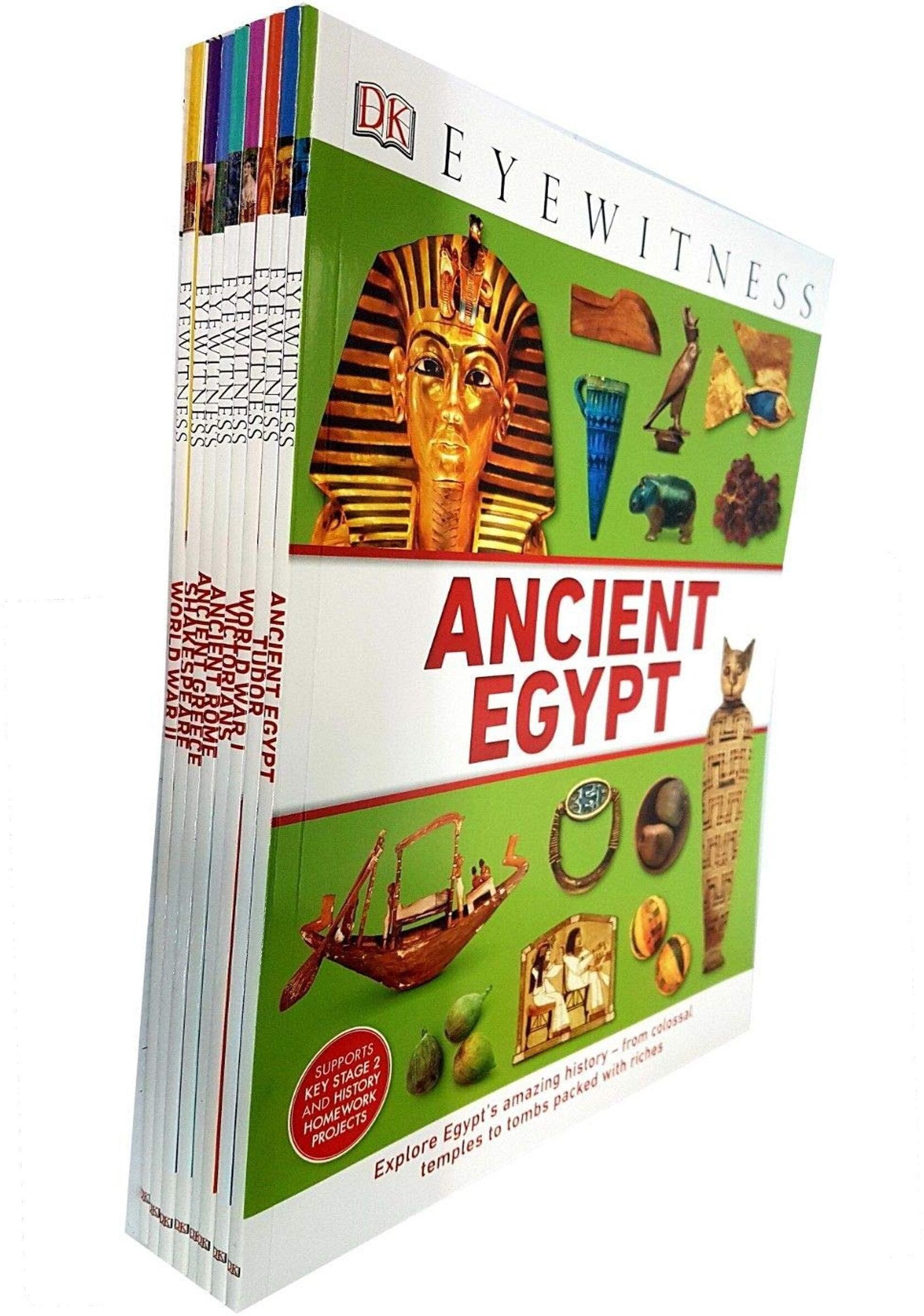
Dk Eyewitness Collection 8 Books Set - Ancient Egypt Tudor Victorians Ancient Rome Ancient Greece ..Ancient Egypt (Eyewitness) From the Great Pyramid of Giza to Tutankhamun's tomb this spectacular non-fiction guide explores one history's most remarkable civilisations. Perfect for homework help Eyewitness Ancient Egypt lets your child discover what life was like for Egyptians and how Pharaohs lived. Tudor (Eyewitness) Divorced; beheaded; died; divorced; beheaded; survived. We all know the famous rhyme but do you know which Queen out-lived Henry VIII? Who ruled after his death? Or what life was like for Tudor children? Find out in Eyewitness Tudor and discover the deceit and treachery that blighted the Tudor period and lead to beheadings; burnings and War. Victorians (Eyewitness) What did the Victorians invent? Was this a peaceful era? How many children did Queen Victoria have? Find out in Eyewitness Victorians and discover this peaceful and prosperous era which produced huge developments in technology and engineering; alongside voting reforms. Ancient Rome (Eyewitness) Who were Rome's most famous emperors? What was everyday life like for a soldier in the Roman army? How did the citizens of ancient Rome live? Did Roman gladiators really fight to the death in the mighty Colosseum? Eyewitness Ancient Rome provides the answers to these questions and many more. Ancient Greece (Eyewitness) From famous Gods to the inside of temples; let your child get all the homework help they need; and learn all about Ancient Greece with this comprehensive reference book for kids. Eyewitness Ancient Greece also includes a giant fold-out wall chart full of facts; perfect for bedrooms or classrooms. Shakespeare (Eyewitness) Did you know special effects were used in Shakespeare's plays? That devils and ghosts came up through trapdoors in the stage? Find out how in Eyewitness Shakespeare and discover the fascinating life and times of one of the world's greatest playwrights. World War I (Eyewitness) This comprehensive visual guide to World War I is a leading title in the best-selling Eyewitness series of reference books for children. Real-life photographs and accessible text are designed to give younger readers an insight into one of the worst conflicts in history. World War II (Eyewitness) This engaging and educational book for children age 9 and over describes the events and key players leading up to; during; and after World War 2.14,99 £*Shipping: 2,99 £Secure redirect to the provider
-
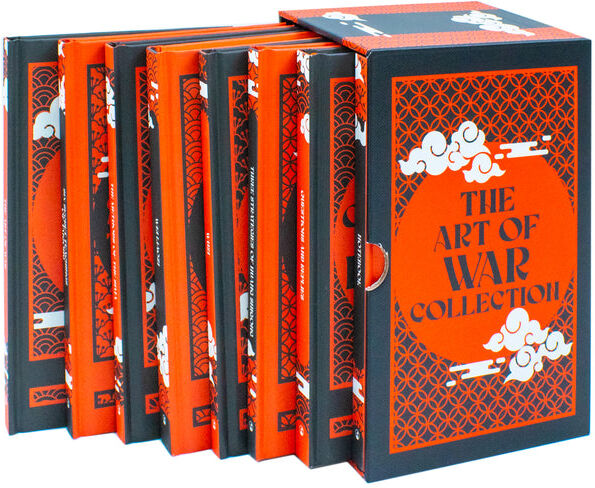
Classic Editions The Complete Art of War 8 Books Collection Box Set – Ancient Military Strategy Classics CollectionThe Complete Art of War 8 Books Collection Box Set of Military Classics From Ancient China: Titles In This Set: The Art of War The Methods of The Sima Wei Liaozi Wuzi Questions and Replies Three Strategies of Huang Shigong Six Secret Teachings of Taigong Note Book Description: Taken from the experiences of Ancient China’s most brilliant warriors more than 2000 years ago, Sun Tzu’s famed The Art of War contains valuable lessons on strategic warfare that continue to be relevant today. Six Secret Teachings concerns itself with the topics of tactics, morality and effective communication, and contains valuable lessons on strategic warfare that continue to be relevant today. One of the oldest of the Seven Military Classics from Ancient China, Wuzi focusses on human nature and behaviour, and contains valuable lessons on strategic warfare that continue to be relevant today. A personal notebook for readers to write their own notes.14,99 £*Shipping: 2,99 £Secure redirect to the provider
-
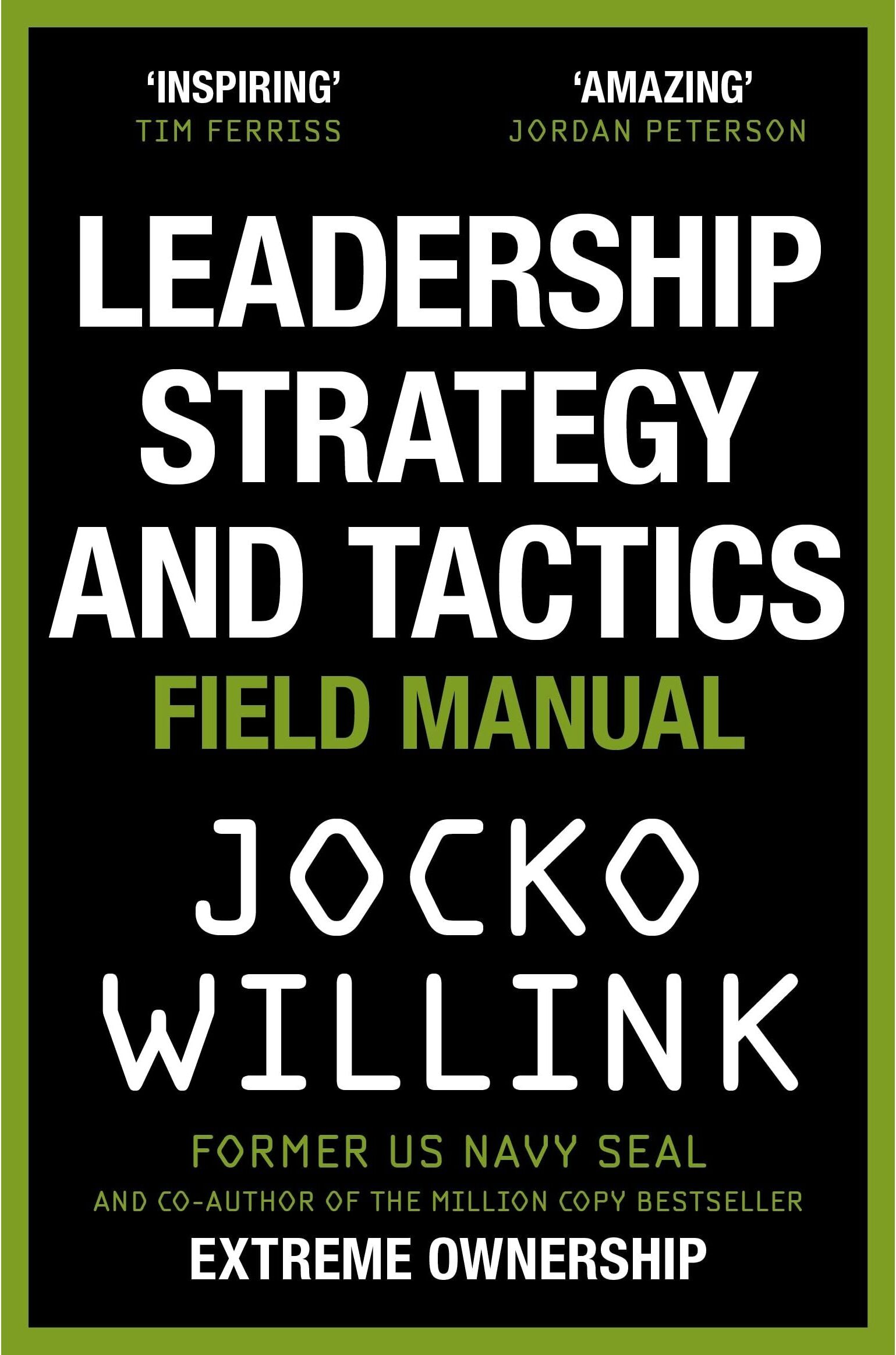
MACMILLAN Leadership Strategy and Tactics: Learn to Lead Like a Navy SEALLeadership is the most challenging of human endeavours. It is often misunderstood. It can bewilder, mystify and frustrate even the most dedicated practitioners. Leaders at all levels are often forced to use theoretical guesswork to make decisions and lead their troops. It doesn’t have to be that way. There are principles that can be applied and tenets that can be followed. There are skills that can be learned and manoeuvres that can be practised and executed. There are leadership strategies and tactics that have been tested and proven on the battlefield, in business and in life. Retired Navy SEAL Officer Jocko Willink delivers his powerful and pragmatic leadership methodology that teaches how to lead any team in any situation to victory. Here, you will learn how to: * Deal with egos and the problems they cause * Earn and build trust with both your subordinates and superiors * Instil pride in your team, without creating arrogance * Overcome challenges presented by a micromanaging, indecisive or weak boss * Create a disciplined team that regulates itself * Use leadership as a tool to teach, mentor, train and correct behaviour of team members * Operate at a maximum level of efficiency – and reap the rewards . . . and more. This book is step one towards becoming the commander of your own life. The rest is up to you.8,99 £*Shipping: 2,99 £Secure redirect to the provider
-
Little Brown Book Group No Limits: Blow the Cap Off Your Capacity by John C. Maxwell – Personal Growth & Leadership Development GuideNo Limits: Blow the CAP Off Your Capacity Description We often treat the word capacity as if it were a natural law of limitation. Unfortunately; most of us are much more comfortable defining what we perceive is off limits rather than what's possible. Could it be that many people have allowed what they perceive as capacity to define them? Have they allowed their perception to limit their attitudes about their potential? In his newest book; John Maxwell identifies 17 core capacities. Some of these are abilities we all already possess; such as energy; creativity and leadership. Others are aspects of our lives controlled by our choices; like our attitudes; character; and intentionality. Maxwell examines each of these 17 capacities; and provides clear and actionable advice on how you can increase your potential in each. He will guide you on how to identify; grow; and apply your critical capacities to your daily life. Once you've blown the 'cap' off your capacities; you'll find yourself more successful--and fulfilled--in your daily life.5,99 £*Shipping: 2,99 £Secure redirect to the provider


-
Ancient card games
Ancient card games have been played for centuries and have evolved over time. These games were often used for entertainment, gambling, and socializing. Some well-known ancient card games include Ganjifa from India, Hanafuda from Japan, and Karnöffel from Europe. These games often had intricate rules and strategies, providing players with a challenging and engaging experience. **
-
How did communication through letters and mail look like in ancient Egypt?
In ancient Egypt, communication through letters and mail was primarily conducted on papyrus scrolls. These scrolls were used to write letters, official documents, and other forms of communication. The scrolls were often sealed with clay or wax and stamped with a seal to ensure their security. They were then delivered by messengers or by boat along the Nile River. The content of these letters varied from personal correspondence to official communications between government officials and other important figures. **
-
What did communication through letters and mail look like in ancient Egypt?
In ancient Egypt, communication through letters and mail was primarily conducted by scribes who were trained in writing and reading hieroglyphics. Letters were written on papyrus scrolls or pottery shards and sealed with clay or wax. These letters were then delivered by messengers or travelers. The content of these letters varied from personal messages between individuals to official correspondence between government officials or rulers. Overall, communication through letters and mail played a crucial role in maintaining connections and facilitating exchanges in ancient Egyptian society. **
-
What is the history of ancient Greece and ancient Egypt?
Ancient Greece was a civilization that emerged around 800 BC and lasted until around 146 BC. It was known for its advancements in philosophy, art, architecture, and government, and is often considered the birthplace of Western civilization. Ancient Egypt, on the other hand, was one of the world's earliest and longest-lasting civilizations, with its origins dating back to around 3100 BC and lasting until 332 BC. It was known for its monumental architecture, such as the pyramids, as well as its complex religious beliefs and hieroglyphic writing system. Both civilizations made significant contributions to human history and continue to influence modern society. **
What did vocational training look like in ancient Egypt?
In ancient Egypt, vocational training was primarily focused on preparing individuals for specific trades and crafts. Young people would often learn their trade through apprenticeships, where they would work alongside experienced craftsmen to learn the necessary skills and techniques. The training was practical and hands-on, with a strong emphasis on learning by doing. Some of the vocational trades included carpentry, stonemasonry, metalworking, pottery, and weaving. The training was often passed down from generation to generation within families or through guilds, ensuring the continuity of these important skills and crafts in ancient Egyptian society. **
What is feedback communication?
Feedback communication is the process of providing information or reactions to someone about their performance, behavior, or actions. It is essential for improving relationships, enhancing performance, and fostering growth and development. Effective feedback communication involves being specific, timely, and constructive in delivering feedback, while also being open to receiving feedback in return. It plays a crucial role in promoting understanding, clarity, and continuous improvement in various aspects of personal and professional life. **
Top-Angebote
Products related to Ancient:
-
Classic Editions The Complete Art of War – 8 Book Hardback Box Set Sun Tzu & Ancient Chinese Military Strategy Classics Leadership, Warfare & Strategy CollectionExplore centuries of strategic thinking with The Complete Art of War – 8 Books Collection Hardback Box Set, an impressive collection of classical Chinese writings on warfare, leadership, tactics and strategy. Bringing together influential works from ancient Chinese military thought, this hardback collection includes titles such as The Art of War, Methods of the Sima, Wuzi, Wei Liaozi, Three Strategies of Huang Shigong, and Six Secret Teachings of Taigong, alongside additional works included in the eight-volume set. These enduring texts examine subjects including leadership, planning, discipline, intelligence, diplomacy, battlefield tactics and strategic decision-making. Although written in the context of ancient warfare, many of their principles have subsequently attracted readers interested in history, leadership and strategic thinking. Presented as an 8-volume hardback boxed collection, the set is ideal for readers of military history, students of classical philosophy and collectors of beautifully presented classic works. Why Readers Will Love This Collection Includes 8 hardback volumes in a collectible box set Features influential works of ancient Chinese military strategy Explores strategy, leadership, tactics and decision-making Excellent addition to military history and philosophy collections Attractive hardback format for a home or study library Ideal gift for history, strategy and classic literature enthusiasts The Complete Art of War 8 Book Collection brings together some of history's most enduring works on strategy in one impressive hardback set. Titles In This Set: Notebook Questions and Replies Three Strategies of Huang Shigong Wuzi Wei Liaozi The Methods of The Sima Six Secret Teachings of Taigong The Art of War16,99 £*Shipping: 2,99 £Secure redirect to the provider
-
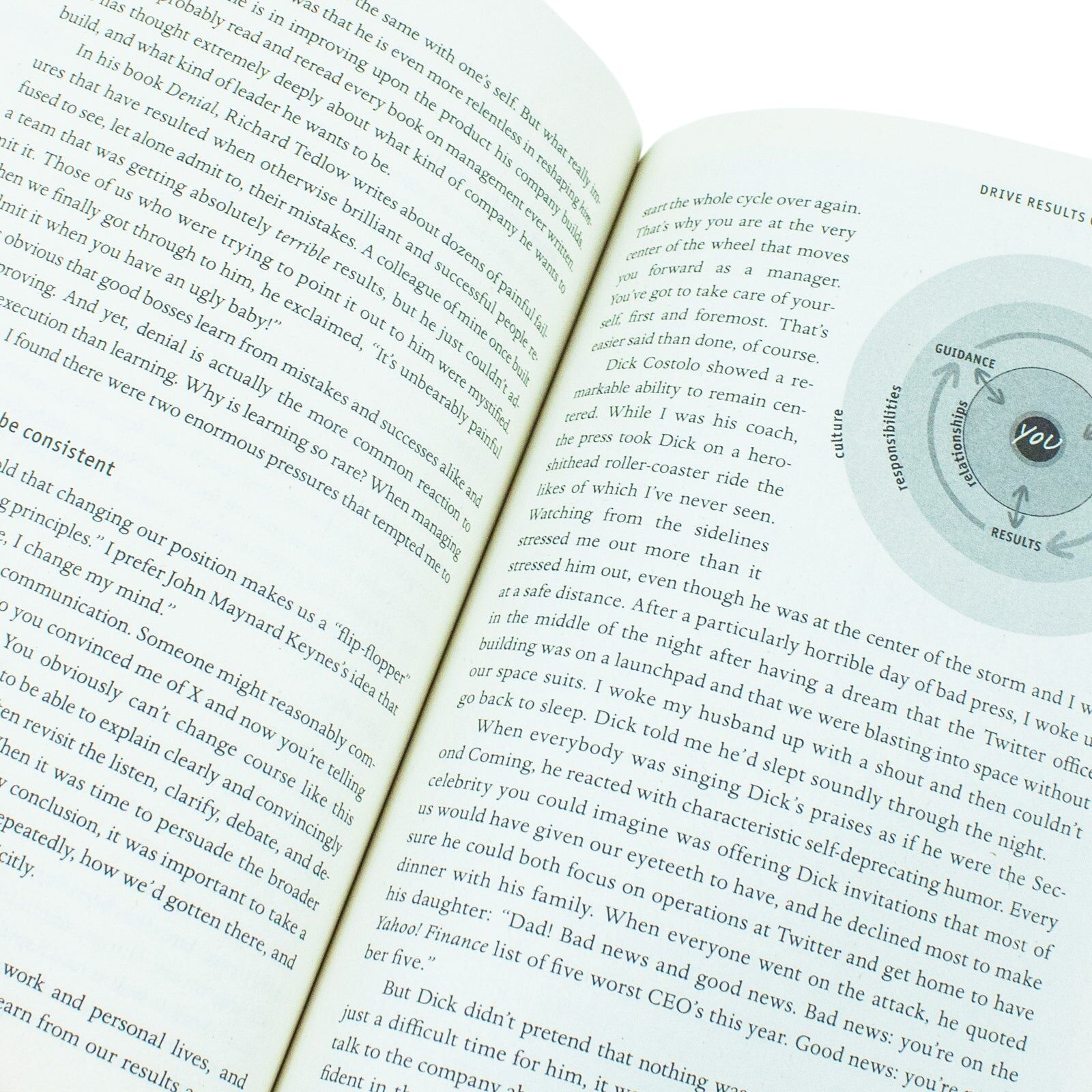
Pan Macmillan Radical Candor by Kim Scott The Bestselling Leadership Book - Management, Feedback & Workplace Culture BookRadical Candor by Kim Scott is a groundbreaking leadership and communication guide that teaches how to give feedback effectively, build trust, and create high-performing teams without becoming harsh—or avoiding difficult conversations. Based on Scott’s experience at Google, Apple and Silicon Valley startups, Radical Candor introduces a simple but powerful framework built on two pillars: Care Personally Challenge Directly The book provides practical tools for giving honest feedback, fostering open communication, strengthening working relationships, and becoming a more compassionate and impactful leader. Perfect for managers, team leaders, HR professionals, and anyone wanting to build a healthy, productive workplace culture. Radical Candor is the perfect handbook for those who are looking to find meaning in their job and create an environment where people love both their work and their colleagues, and are motivated to strive to ever greater success.2,99 £*Shipping: 1,99 £Secure redirect to the provider
-
Dk Eyewitness Collection 8 Books Set - Ancient Egypt Tudor Victorians Ancient Rome Ancient Greece ..Ancient Egypt (Eyewitness) From the Great Pyramid of Giza to Tutankhamun's tomb this spectacular non-fiction guide explores one history's most remarkable civilisations. Perfect for homework help Eyewitness Ancient Egypt lets your child discover what life was like for Egyptians and how Pharaohs lived. Tudor (Eyewitness) Divorced; beheaded; died; divorced; beheaded; survived. We all know the famous rhyme but do you know which Queen out-lived Henry VIII? Who ruled after his death? Or what life was like for Tudor children? Find out in Eyewitness Tudor and discover the deceit and treachery that blighted the Tudor period and lead to beheadings; burnings and War. Victorians (Eyewitness) What did the Victorians invent? Was this a peaceful era? How many children did Queen Victoria have? Find out in Eyewitness Victorians and discover this peaceful and prosperous era which produced huge developments in technology and engineering; alongside voting reforms. Ancient Rome (Eyewitness) Who were Rome's most famous emperors? What was everyday life like for a soldier in the Roman army? How did the citizens of ancient Rome live? Did Roman gladiators really fight to the death in the mighty Colosseum? Eyewitness Ancient Rome provides the answers to these questions and many more. Ancient Greece (Eyewitness) From famous Gods to the inside of temples; let your child get all the homework help they need; and learn all about Ancient Greece with this comprehensive reference book for kids. Eyewitness Ancient Greece also includes a giant fold-out wall chart full of facts; perfect for bedrooms or classrooms. Shakespeare (Eyewitness) Did you know special effects were used in Shakespeare's plays? That devils and ghosts came up through trapdoors in the stage? Find out how in Eyewitness Shakespeare and discover the fascinating life and times of one of the world's greatest playwrights. World War I (Eyewitness) This comprehensive visual guide to World War I is a leading title in the best-selling Eyewitness series of reference books for children. Real-life photographs and accessible text are designed to give younger readers an insight into one of the worst conflicts in history. World War II (Eyewitness) This engaging and educational book for children age 9 and over describes the events and key players leading up to; during; and after World War 2.14,99 £*Shipping: 2,99 £Secure redirect to the provider
-
Classic Editions The Complete Art of War 8 Books Collection Box Set – Ancient Military Strategy Classics CollectionThe Complete Art of War 8 Books Collection Box Set of Military Classics From Ancient China: Titles In This Set: The Art of War The Methods of The Sima Wei Liaozi Wuzi Questions and Replies Three Strategies of Huang Shigong Six Secret Teachings of Taigong Note Book Description: Taken from the experiences of Ancient China’s most brilliant warriors more than 2000 years ago, Sun Tzu’s famed The Art of War contains valuable lessons on strategic warfare that continue to be relevant today. Six Secret Teachings concerns itself with the topics of tactics, morality and effective communication, and contains valuable lessons on strategic warfare that continue to be relevant today. One of the oldest of the Seven Military Classics from Ancient China, Wuzi focusses on human nature and behaviour, and contains valuable lessons on strategic warfare that continue to be relevant today. A personal notebook for readers to write their own notes.14,99 £*Shipping: 2,99 £Secure redirect to the provider
-
What came first and what came last: Ancient Rome, ancient Greece, ancient Egypt?
Ancient Egypt came first, with its civilization dating back to around 3100 BC. Ancient Greece followed, with its civilization emerging around the 8th century BC. Ancient Rome came last, with its civilization developing around the 8th century BC as well, but it reached its peak much later, around the 1st century BC. **
-
How did the ancient Greeks imagine their ancient deities?
The ancient Greeks imagined their deities as powerful beings who possessed human-like qualities and emotions. They believed that the gods and goddesses lived on Mount Olympus and intervened in the lives of humans. The deities were often depicted in human form, with idealized physical features and adorned with symbols of their power and influence. The Greeks also believed that the gods and goddesses had the ability to shape-shift and take on different forms, allowing them to interact with humans in various ways. Overall, the ancient Greeks saw their deities as both awe-inspiring and relatable figures who played a significant role in their daily lives. **
-
Ancient card games
Ancient card games have been played for centuries and have evolved over time. These games were often used for entertainment, gambling, and socializing. Some well-known ancient card games include Ganjifa from India, Hanafuda from Japan, and Karnöffel from Europe. These games often had intricate rules and strategies, providing players with a challenging and engaging experience. **
-
How did communication through letters and mail look like in ancient Egypt?
In ancient Egypt, communication through letters and mail was primarily conducted on papyrus scrolls. These scrolls were used to write letters, official documents, and other forms of communication. The scrolls were often sealed with clay or wax and stamped with a seal to ensure their security. They were then delivered by messengers or by boat along the Nile River. The content of these letters varied from personal correspondence to official communications between government officials and other important figures. **
Similar search terms for Ancient
-
MACMILLAN Leadership Strategy and Tactics: Learn to Lead Like a Navy SEALLeadership is the most challenging of human endeavours. It is often misunderstood. It can bewilder, mystify and frustrate even the most dedicated practitioners. Leaders at all levels are often forced to use theoretical guesswork to make decisions and lead their troops. It doesn’t have to be that way. There are principles that can be applied and tenets that can be followed. There are skills that can be learned and manoeuvres that can be practised and executed. There are leadership strategies and tactics that have been tested and proven on the battlefield, in business and in life. Retired Navy SEAL Officer Jocko Willink delivers his powerful and pragmatic leadership methodology that teaches how to lead any team in any situation to victory. Here, you will learn how to: * Deal with egos and the problems they cause * Earn and build trust with both your subordinates and superiors * Instil pride in your team, without creating arrogance * Overcome challenges presented by a micromanaging, indecisive or weak boss * Create a disciplined team that regulates itself * Use leadership as a tool to teach, mentor, train and correct behaviour of team members * Operate at a maximum level of efficiency – and reap the rewards . . . and more. This book is step one towards becoming the commander of your own life. The rest is up to you.8,99 £*Shipping: 2,99 £Secure redirect to the provider
-
Little Brown Book Group No Limits: Blow the Cap Off Your Capacity by John C. Maxwell – Personal Growth & Leadership Development GuideNo Limits: Blow the CAP Off Your Capacity Description We often treat the word capacity as if it were a natural law of limitation. Unfortunately; most of us are much more comfortable defining what we perceive is off limits rather than what's possible. Could it be that many people have allowed what they perceive as capacity to define them? Have they allowed their perception to limit their attitudes about their potential? In his newest book; John Maxwell identifies 17 core capacities. Some of these are abilities we all already possess; such as energy; creativity and leadership. Others are aspects of our lives controlled by our choices; like our attitudes; character; and intentionality. Maxwell examines each of these 17 capacities; and provides clear and actionable advice on how you can increase your potential in each. He will guide you on how to identify; grow; and apply your critical capacities to your daily life. Once you've blown the 'cap' off your capacities; you'll find yourself more successful--and fulfilled--in your daily life.5,99 £*Shipping: 2,99 £Secure redirect to the provider
-
Wilco International LLP How to Win Friends and Influence People by Dale Carnegie Classic Self Help Book on Communication, Leadership, Confidence & Personal DevelopmentDiscover one of the world's best-known personal development books with How to Win Friends and Influence People by Dale Carnegie. First published in 1936, this enduring classic presents practical principles for communicating effectively, building positive relationships and working successfully with other people. Through memorable examples and straightforward advice, Carnegie explores how to make a positive impression, handle disagreements constructively, encourage cooperation and become a more effective communicator. The principles can be applied across everyday life, from personal relationships and social situations to business, management, sales, networking and leadership. Accessible and practical, How to Win Friends and Influence People remains popular with readers interested in improving their communication skills, confidence, interpersonal relationships and professional development. Key Features Classic personal development book by Dale Carnegie Practical principles for improving communication Explores relationships, leadership and interpersonal skills Useful for business, management, sales and networking Helps readers understand effective people skills Suitable for personal and professional development Excellent gift for entrepreneurs, managers and self-improvement readers9,99 £*Shipping: 2,99 £Secure redirect to the provider
-
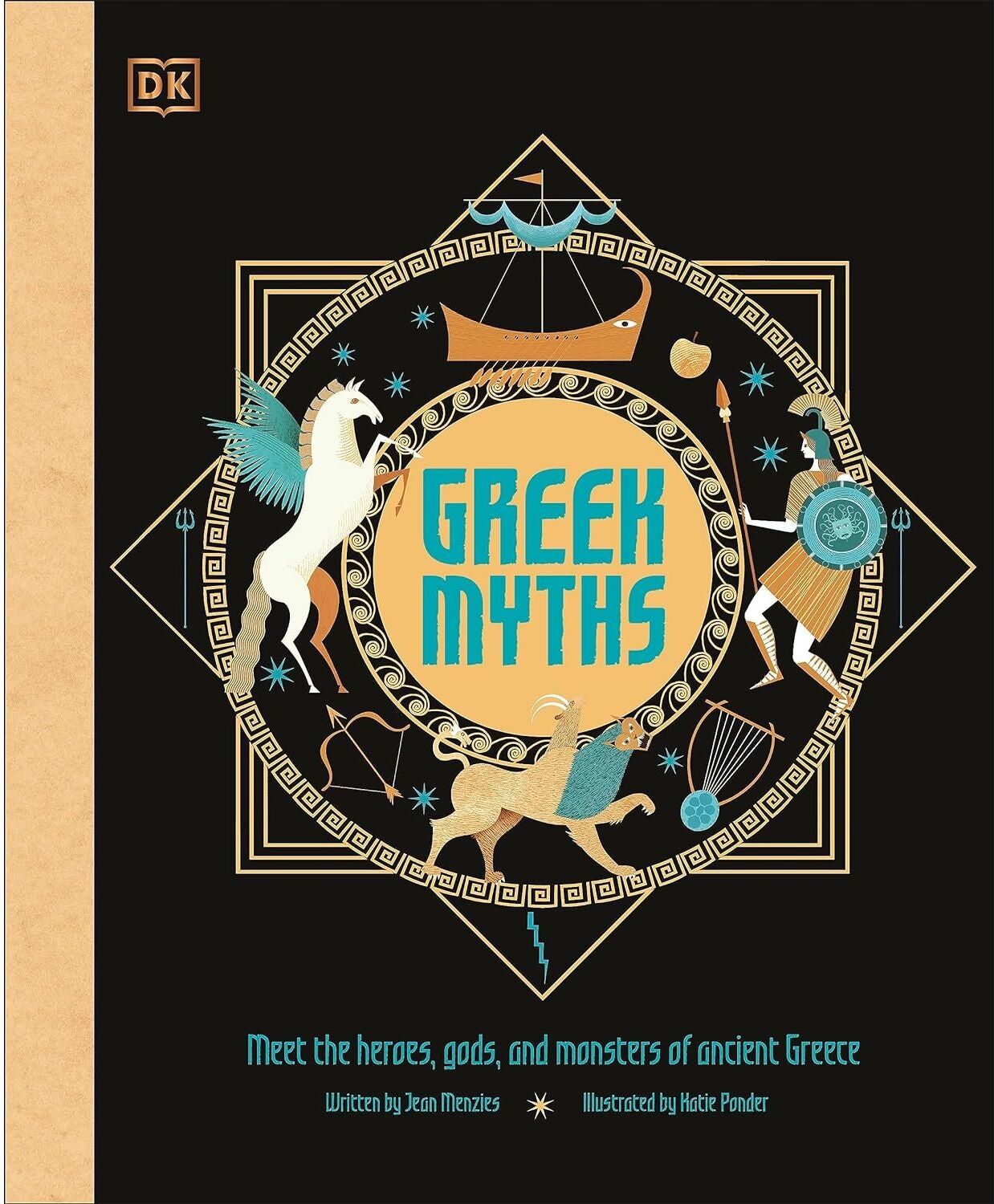
DK CHILDREN Greek Myths: Meet the heroes, gods, and monsters of ancient Greece (Ancient Myths)A beautifully-illustrated book filled with over 30 Ancient Greek Myths for children aged 7-9.Journey into a world of gods and goddesses, heroes and heroines, extraordinary creatures and fantastic monsters with this beautifully illustrated introduction to Ancient Greek mythology. Perfect for children aged 7 to 9, this collection contains more than 30 enthralling new retellings of favourite Greek myths as well as some you might not have heard before.Including 'Theseus and the Minotaur', 'The 12 Labours of Herakles', and the escapades of 'Jason and the Argonauts', each myth is told in engaging modern language, which is easy for children to understand yet still retains the humour and intrigue of the original tales.Encourage your children to explore:-Over 30 fascinating Greek myths, covering famous classics and lesser known stories-Striking illustrations by multi-award winning artist Katie Ponder-Stunning gold foil on the cover-A handy pronunciation guide listing all difficult-to-pronounce names for the reader's convenience-Key reference spreads combining the appeal of a story collection with key reference informationA must-have volume for children aged 7-9 with an interest in Greek mythology and history, the additional feature pages delve deeper into the mythical world, providing profiles of the gods and a map detailing Odysseus' long voyage home from the Trojan War. The reference section provides key background information, such as Ancient Greek storytelling and the incredible beasts of the myths, and a handy pronunciation guide. Greek Myths is the perfect gift, featuring stunning gold foil on the cover and beautiful illustrations throughout. Quench your child's curiosity and thirst for knowledge, as they explore the enthralling tales, whether by themselves or to equally be enjoyed as bedtime stories alongside parents.11,89 £*Shipping: 2,99 £Secure redirect to the provider
-
What did communication through letters and mail look like in ancient Egypt?
In ancient Egypt, communication through letters and mail was primarily conducted by scribes who were trained in writing and reading hieroglyphics. Letters were written on papyrus scrolls or pottery shards and sealed with clay or wax. These letters were then delivered by messengers or travelers. The content of these letters varied from personal messages between individuals to official correspondence between government officials or rulers. Overall, communication through letters and mail played a crucial role in maintaining connections and facilitating exchanges in ancient Egyptian society. **
-
What is the history of ancient Greece and ancient Egypt?
Ancient Greece was a civilization that emerged around 800 BC and lasted until around 146 BC. It was known for its advancements in philosophy, art, architecture, and government, and is often considered the birthplace of Western civilization. Ancient Egypt, on the other hand, was one of the world's earliest and longest-lasting civilizations, with its origins dating back to around 3100 BC and lasting until 332 BC. It was known for its monumental architecture, such as the pyramids, as well as its complex religious beliefs and hieroglyphic writing system. Both civilizations made significant contributions to human history and continue to influence modern society. **
-
What did vocational training look like in ancient Egypt?
In ancient Egypt, vocational training was primarily focused on preparing individuals for specific trades and crafts. Young people would often learn their trade through apprenticeships, where they would work alongside experienced craftsmen to learn the necessary skills and techniques. The training was practical and hands-on, with a strong emphasis on learning by doing. Some of the vocational trades included carpentry, stonemasonry, metalworking, pottery, and weaving. The training was often passed down from generation to generation within families or through guilds, ensuring the continuity of these important skills and crafts in ancient Egyptian society. **
-
What is feedback communication?
Feedback communication is the process of providing information or reactions to someone about their performance, behavior, or actions. It is essential for improving relationships, enhancing performance, and fostering growth and development. Effective feedback communication involves being specific, timely, and constructive in delivering feedback, while also being open to receiving feedback in return. It plays a crucial role in promoting understanding, clarity, and continuous improvement in various aspects of personal and professional life. **
* All prices are inclusive of VAT and, if applicable, plus shipping costs. The offer information is based on the details provided by the respective shop and is updated through automated processes. Real-time updates do not occur, so deviations can occur in individual cases. ** Note: Parts of this content were created by AI.