Buy management-coaching.eu ?
We are moving the project
management-coaching.eu .
Are you interested in purchasing the domain
management-coaching.eu ?
domain@kv-gmbh.de · 0541-91531010
Buy management-coaching.eu ?
What is the difference between intellectual and emotional development?
Intellectual development refers to the growth and maturation of cognitive abilities, such as problem-solving, critical thinking, and memory. This type of development involves the acquisition of knowledge and skills through learning and experience. On the other hand, emotional development pertains to the ability to recognize, understand, and manage one's own emotions, as well as to empathize with the emotions of others. It involves the development of emotional intelligence, self-awareness, and interpersonal skills. While intellectual development focuses on cognitive abilities, emotional development focuses on understanding and managing emotions. **
Can one actively work on their own emotional development?
Yes, one can actively work on their own emotional development through various methods such as therapy, self-reflection, mindfulness practices, and seeking feedback from others. By being aware of their emotions, understanding their triggers, and learning healthy coping mechanisms, individuals can make progress in managing their emotions and improving their emotional intelligence. It requires dedication, self-awareness, and a willingness to engage in personal growth and self-improvement. **
Similar search terms for Emotional
Top-Angebote
Products related to Emotional:
-
Perfect Picks Market Kids Emotional Expression Mirror Early Education & Emotional Learning Toy For Toddlers pinkNurture your childs emotional intelligence with the Kids Emotional Expression Mirrora fun, interactive learning tool designed to help toddlers understand and manage their feelings. This innovative toy features six emotional expression cards and a...49,97 $*Shipping: 0,00 $Secure redirect to the provider
-
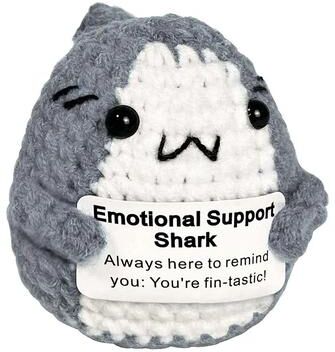
Inspired Finds Emotional Support Crochet Plush Mini Handmade Desk Decor Cute Gift Ornament emotional Support SharkBring a little comfort and joy into everyday life with this adorable emotional support crochet plush designed to brighten your mood instantly. Handmade with soft yarn and charming details, this mini crochet plush toy is perfect for desks, shelves,...39,99 $*Shipping: 0,00 $Secure redirect to the provider
-
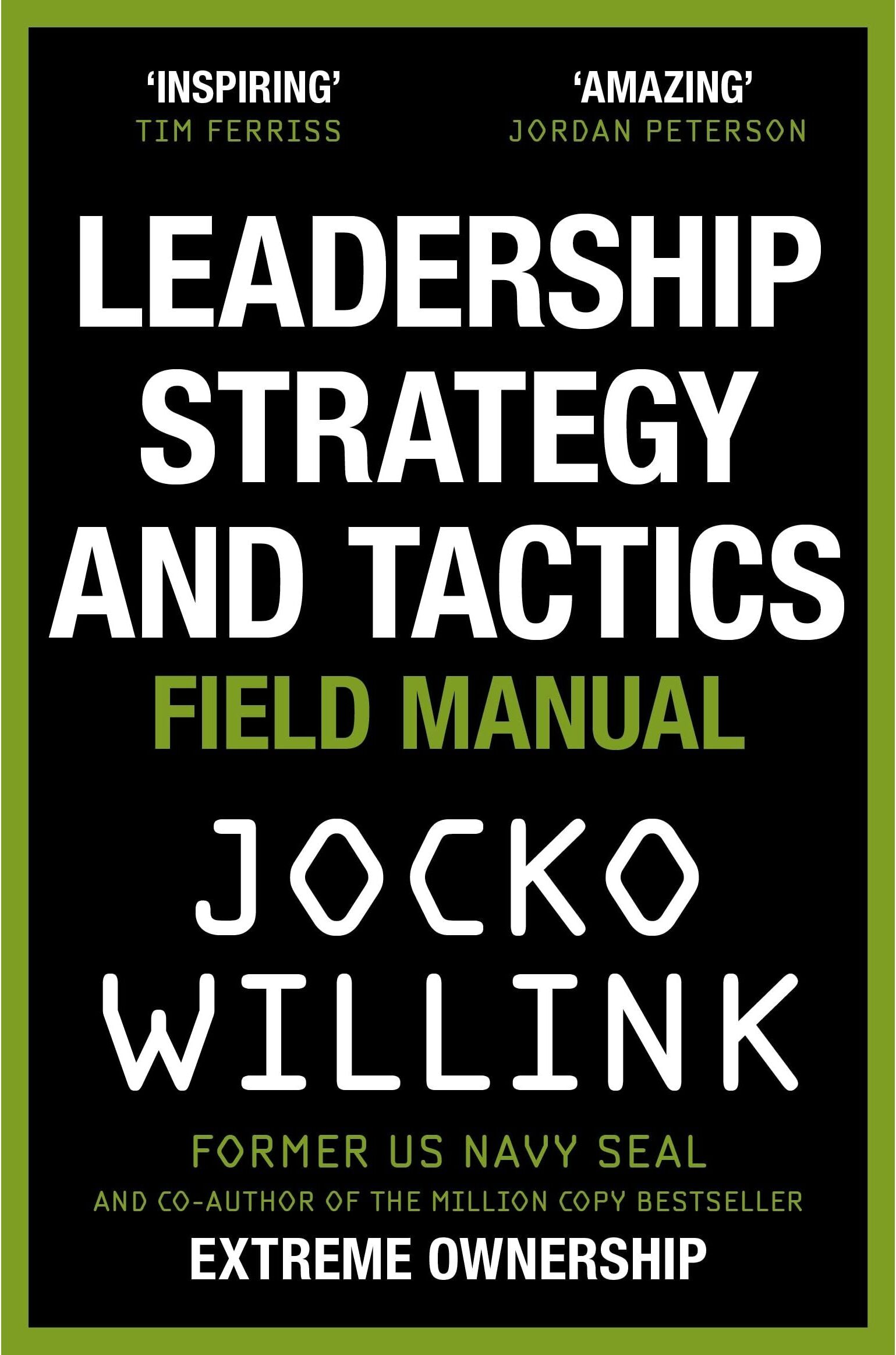
MACMILLAN Leadership Strategy and Tactics: Learn to Lead Like a Navy SEALLeadership is the most challenging of human endeavours. It is often misunderstood. It can bewilder, mystify and frustrate even the most dedicated practitioners. Leaders at all levels are often forced to use theoretical guesswork to make decisions and lead their troops. It doesn’t have to be that way. There are principles that can be applied and tenets that can be followed. There are skills that can be learned and manoeuvres that can be practised and executed. There are leadership strategies and tactics that have been tested and proven on the battlefield, in business and in life. Retired Navy SEAL Officer Jocko Willink delivers his powerful and pragmatic leadership methodology that teaches how to lead any team in any situation to victory. Here, you will learn how to: * Deal with egos and the problems they cause * Earn and build trust with both your subordinates and superiors * Instil pride in your team, without creating arrogance * Overcome challenges presented by a micromanaging, indecisive or weak boss * Create a disciplined team that regulates itself * Use leadership as a tool to teach, mentor, train and correct behaviour of team members * Operate at a maximum level of efficiency – and reap the rewards . . . and more. This book is step one towards becoming the commander of your own life. The rest is up to you.8,99 £*Shipping: 2,99 £Secure redirect to the provider
-
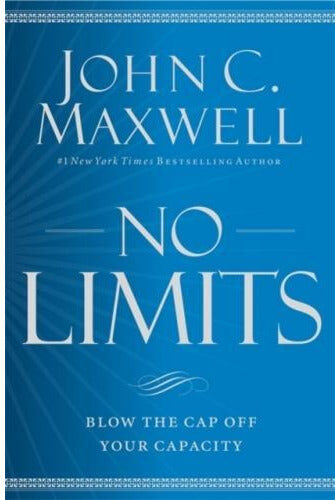
Little Brown Book Group No Limits: Blow the Cap Off Your Capacity by John C. Maxwell – Personal Growth & Leadership Development GuideNo Limits: Blow the CAP Off Your Capacity Description We often treat the word capacity as if it were a natural law of limitation. Unfortunately; most of us are much more comfortable defining what we perceive is off limits rather than what's possible. Could it be that many people have allowed what they perceive as capacity to define them? Have they allowed their perception to limit their attitudes about their potential? In his newest book; John Maxwell identifies 17 core capacities. Some of these are abilities we all already possess; such as energy; creativity and leadership. Others are aspects of our lives controlled by our choices; like our attitudes; character; and intentionality. Maxwell examines each of these 17 capacities; and provides clear and actionable advice on how you can increase your potential in each. He will guide you on how to identify; grow; and apply your critical capacities to your daily life. Once you've blown the 'cap' off your capacities; you'll find yourself more successful--and fulfilled--in your daily life.5,99 £*Shipping: 2,99 £Secure redirect to the provider

-
How do you respond to one-sided emotional development?
One-sided emotional development can be challenging to navigate, as it may lead to imbalances in the relationship and potential feelings of neglect or frustration. It's important to communicate openly and honestly with the person experiencing one-sided emotional development, expressing your feelings and needs while also being empathetic to their own struggles. Seeking professional help, such as therapy or counseling, can also be beneficial in addressing and working through these imbalances in emotional development. Additionally, setting boundaries and taking care of your own emotional well-being is crucial in maintaining a healthy relationship dynamic. **
-
What is the significance of emotional development for practice?
Emotional development is significant for practice because it impacts how individuals interact with others, manage stress, and make decisions. In a practice setting, emotional development can influence how clients respond to interventions and how practitioners build rapport and trust with them. Understanding emotional development can also help practitioners recognize and address underlying emotional issues that may be contributing to a client's presenting concerns. Additionally, emotional development is important for practitioners to manage their own emotions and maintain professional boundaries in their work with clients. **
-
What is the best book on psychology, communication, and emotional intelligence?
One highly recommended book that covers psychology, communication, and emotional intelligence is "Emotional Intelligence 2.0" by Travis Bradberry and Jean Greaves. This book provides practical strategies for improving emotional intelligence, communication skills, and understanding human behavior. It also includes a self-assessment test to help readers identify their strengths and areas for improvement. Overall, "Emotional Intelligence 2.0" is a valuable resource for anyone looking to enhance their understanding of emotions and interpersonal relationships. **
-
How can nonverbal communication be used to interpret a person's emotional state?
Nonverbal communication can be used to interpret a person's emotional state by observing their body language, facial expressions, and tone of voice. For example, crossed arms and a furrowed brow may indicate that a person is feeling defensive or upset, while a relaxed posture and a genuine smile may indicate that they are feeling happy and at ease. Additionally, the tone of a person's voice, such as a shaky or quivering tone, may indicate that they are feeling anxious or nervous. By paying attention to these nonverbal cues, one can gain insight into a person's emotional state and respond accordingly. **

How can one use nonverbal communication to interpret a person's emotional state?
Nonverbal communication can provide valuable insights into a person's emotional state. By observing their body language, facial expressions, gestures, and tone of voice, one can gauge how they are feeling. For example, crossed arms and a furrowed brow may indicate defensiveness or anger, while a smile and open posture may suggest happiness or relaxation. It is important to consider these nonverbal cues in conjunction with verbal communication to get a more accurate understanding of someone's emotions. **
What is the difference between emotional instability and emotional weakness?
Emotional instability refers to frequent and intense fluctuations in one's emotional state, often leading to unpredictable and impulsive behavior. This can be caused by various factors such as mental health conditions, trauma, or stress. On the other hand, emotional weakness refers to a lack of resilience and ability to cope with emotional challenges, often leading to difficulty in managing and regulating one's emotions. While emotional instability involves extreme fluctuations, emotional weakness involves a general inability to handle emotional stressors. Both can impact a person's overall well-being and relationships, but they manifest in different ways. **
Top-Angebote
Products related to Emotional:
-
Pan Macmillan Radical Candor by Kim Scott The Bestselling Leadership Book - Management, Feedback & Workplace Culture BookRadical Candor by Kim Scott is a groundbreaking leadership and communication guide that teaches how to give feedback effectively, build trust, and create high-performing teams without becoming harsh—or avoiding difficult conversations. Based on Scott’s experience at Google, Apple and Silicon Valley startups, Radical Candor introduces a simple but powerful framework built on two pillars: Care Personally Challenge Directly The book provides practical tools for giving honest feedback, fostering open communication, strengthening working relationships, and becoming a more compassionate and impactful leader. Perfect for managers, team leaders, HR professionals, and anyone wanting to build a healthy, productive workplace culture. Radical Candor is the perfect handbook for those who are looking to find meaning in their job and create an environment where people love both their work and their colleagues, and are motivated to strive to ever greater success.2,99 £*Shipping: 1,99 £Secure redirect to the provider
-
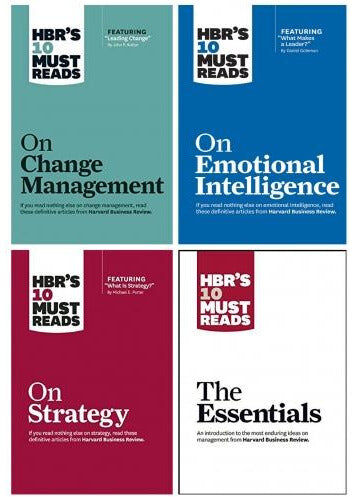
Harvard Business Review Press Hbrs 10 Must Reads Leadership Collection 4 Books Set - The Essentials Emotional Intelligence Strat..HBRs 10 Must Reads Leadership Collection 4 Books Set Description Change Management If you read nothing else on change management; read these 10 articles (featuring 'Leading Change; by John P. Kotter). We have combed through hundreds of Harvard Business Review articles and selected the most important ones to help you spearhead change in your organization. HBRs 10 Must Reads on Change Management will inspire you to: Lead change through eight critical stages Establish a sense of urgency Overcome addiction to the status quo Mobilize commitment Silence naysayers Minimize the pain of change Concentrate resources Motivate change when business is good Strategy If you read nothing else on strategy; read these 10 articles (featuring 'What Is Strategy? by Michael E. Porter). We have combed through hundreds of Harvard Business Review articles and selected the most important ones to help you catalyze your organization's strategy development and execution. HBRs 10 Must Reads on Strategy will inspire you to: Distinguish your company from rivals Clarify what your company will and won't do Craft a vision for an uncertain future Create blue oceans of uncontested market space Use the Balanced Scorecard to measure your strategy Capture your strategy in a memorable phrase Make priorities explicit Allocate resources early Clarify decision rights for faster decision making The Essentials Change is the one constant in business; and we must adapt or face obsolescence. Yet certain challenges never go away. Thats what makes this book 'must read.' These are the 10 seminal articles by managements most influential experts; on topics of perennial concern to ambitious managers and leaders hungry for inspiration--and ready to run with big ideas to accelerate their own and their companies success. If you read nothing else - full stop - read: Michael Porter on creating competitive advantage and distinguishing your company from rivals John Kotter on leading change through eight critical stages Daniel Goleman on using emotional intelligence to maximize performance Peter Drucker on managing your career by evaluating your own strengths and weaknesses Clay Christensen on orchestrating innovation within established organizations Tom Davenport on using analytics to determine how to keep your customers loyal Robert Kaplan and David Norton on measuring your company's strategy with the Balanced Scorecard Rosabeth Moss Kanter on avoiding common mistakes when pushing innovation forward Ted Levitt on understanding who your customers are and what they really want C. K. Prahalad and Gary Hamel on identifying the unique; integrated systems that support your strategy Emotional Intelligence If you read nothing else on emotional intelligence; read these 10 articles by experts in the field. We have combed through hundreds of articles in the Harvard Business Review archive and selected the most important ones to help you boost your emotional skills and your professional success. This book will inspire...34,95 £*Shipping: 2,99 £Secure redirect to the provider
-
Perfect Picks Market Kids Emotional Expression Mirror Early Education & Emotional Learning Toy For Toddlers pinkNurture your childs emotional intelligence with the Kids Emotional Expression Mirrora fun, interactive learning tool designed to help toddlers understand and manage their feelings. This innovative toy features six emotional expression cards and a...49,97 $*Shipping: 0,00 $Secure redirect to the provider
-
Inspired Finds Emotional Support Crochet Plush Mini Handmade Desk Decor Cute Gift Ornament emotional Support SharkBring a little comfort and joy into everyday life with this adorable emotional support crochet plush designed to brighten your mood instantly. Handmade with soft yarn and charming details, this mini crochet plush toy is perfect for desks, shelves,...39,99 $*Shipping: 0,00 $Secure redirect to the provider
-
What is the difference between intellectual and emotional development?
Intellectual development refers to the growth and maturation of cognitive abilities, such as problem-solving, critical thinking, and memory. This type of development involves the acquisition of knowledge and skills through learning and experience. On the other hand, emotional development pertains to the ability to recognize, understand, and manage one's own emotions, as well as to empathize with the emotions of others. It involves the development of emotional intelligence, self-awareness, and interpersonal skills. While intellectual development focuses on cognitive abilities, emotional development focuses on understanding and managing emotions. **
-
Can one actively work on their own emotional development?
Yes, one can actively work on their own emotional development through various methods such as therapy, self-reflection, mindfulness practices, and seeking feedback from others. By being aware of their emotions, understanding their triggers, and learning healthy coping mechanisms, individuals can make progress in managing their emotions and improving their emotional intelligence. It requires dedication, self-awareness, and a willingness to engage in personal growth and self-improvement. **
-
How do you respond to one-sided emotional development?
One-sided emotional development can be challenging to navigate, as it may lead to imbalances in the relationship and potential feelings of neglect or frustration. It's important to communicate openly and honestly with the person experiencing one-sided emotional development, expressing your feelings and needs while also being empathetic to their own struggles. Seeking professional help, such as therapy or counseling, can also be beneficial in addressing and working through these imbalances in emotional development. Additionally, setting boundaries and taking care of your own emotional well-being is crucial in maintaining a healthy relationship dynamic. **
-
What is the significance of emotional development for practice?
Emotional development is significant for practice because it impacts how individuals interact with others, manage stress, and make decisions. In a practice setting, emotional development can influence how clients respond to interventions and how practitioners build rapport and trust with them. Understanding emotional development can also help practitioners recognize and address underlying emotional issues that may be contributing to a client's presenting concerns. Additionally, emotional development is important for practitioners to manage their own emotions and maintain professional boundaries in their work with clients. **
Similar search terms for Emotional
-
MACMILLAN Leadership Strategy and Tactics: Learn to Lead Like a Navy SEALLeadership is the most challenging of human endeavours. It is often misunderstood. It can bewilder, mystify and frustrate even the most dedicated practitioners. Leaders at all levels are often forced to use theoretical guesswork to make decisions and lead their troops. It doesn’t have to be that way. There are principles that can be applied and tenets that can be followed. There are skills that can be learned and manoeuvres that can be practised and executed. There are leadership strategies and tactics that have been tested and proven on the battlefield, in business and in life. Retired Navy SEAL Officer Jocko Willink delivers his powerful and pragmatic leadership methodology that teaches how to lead any team in any situation to victory. Here, you will learn how to: * Deal with egos and the problems they cause * Earn and build trust with both your subordinates and superiors * Instil pride in your team, without creating arrogance * Overcome challenges presented by a micromanaging, indecisive or weak boss * Create a disciplined team that regulates itself * Use leadership as a tool to teach, mentor, train and correct behaviour of team members * Operate at a maximum level of efficiency – and reap the rewards . . . and more. This book is step one towards becoming the commander of your own life. The rest is up to you.8,99 £*Shipping: 2,99 £Secure redirect to the provider
-
Little Brown Book Group No Limits: Blow the Cap Off Your Capacity by John C. Maxwell – Personal Growth & Leadership Development GuideNo Limits: Blow the CAP Off Your Capacity Description We often treat the word capacity as if it were a natural law of limitation. Unfortunately; most of us are much more comfortable defining what we perceive is off limits rather than what's possible. Could it be that many people have allowed what they perceive as capacity to define them? Have they allowed their perception to limit their attitudes about their potential? In his newest book; John Maxwell identifies 17 core capacities. Some of these are abilities we all already possess; such as energy; creativity and leadership. Others are aspects of our lives controlled by our choices; like our attitudes; character; and intentionality. Maxwell examines each of these 17 capacities; and provides clear and actionable advice on how you can increase your potential in each. He will guide you on how to identify; grow; and apply your critical capacities to your daily life. Once you've blown the 'cap' off your capacities; you'll find yourself more successful--and fulfilled--in your daily life.5,99 £*Shipping: 2,99 £Secure redirect to the provider
-
Wilco International LLP How to Win Friends and Influence People by Dale Carnegie Classic Self Help Book on Communication, Leadership, Confidence & Personal DevelopmentDiscover one of the world's best-known personal development books with How to Win Friends and Influence People by Dale Carnegie. First published in 1936, this enduring classic presents practical principles for communicating effectively, building positive relationships and working successfully with other people. Through memorable examples and straightforward advice, Carnegie explores how to make a positive impression, handle disagreements constructively, encourage cooperation and become a more effective communicator. The principles can be applied across everyday life, from personal relationships and social situations to business, management, sales, networking and leadership. Accessible and practical, How to Win Friends and Influence People remains popular with readers interested in improving their communication skills, confidence, interpersonal relationships and professional development. Key Features Classic personal development book by Dale Carnegie Practical principles for improving communication Explores relationships, leadership and interpersonal skills Useful for business, management, sales and networking Helps readers understand effective people skills Suitable for personal and professional development Excellent gift for entrepreneurs, managers and self-improvement readers9,99 £*Shipping: 2,99 £Secure redirect to the provider
-
The Handy Homestead Premium Australian Shepherd Plush Doll Soft Emotional Comfort Companion Premium Australian Shepherd Plush Doll Soft Emotional Comfort CompanionBring warmth and companionship into any space with our Australian Shepherd plush doll. Designed for children and adults alike, this ultrasoft stuffed animal offers a sense of calm and emotional support. Each doll is crafted with premium materials...64,97 $*Shipping: 0,00 $Secure redirect to the provider
-
What is the best book on psychology, communication, and emotional intelligence?
One highly recommended book that covers psychology, communication, and emotional intelligence is "Emotional Intelligence 2.0" by Travis Bradberry and Jean Greaves. This book provides practical strategies for improving emotional intelligence, communication skills, and understanding human behavior. It also includes a self-assessment test to help readers identify their strengths and areas for improvement. Overall, "Emotional Intelligence 2.0" is a valuable resource for anyone looking to enhance their understanding of emotions and interpersonal relationships. **
-
How can nonverbal communication be used to interpret a person's emotional state?
Nonverbal communication can be used to interpret a person's emotional state by observing their body language, facial expressions, and tone of voice. For example, crossed arms and a furrowed brow may indicate that a person is feeling defensive or upset, while a relaxed posture and a genuine smile may indicate that they are feeling happy and at ease. Additionally, the tone of a person's voice, such as a shaky or quivering tone, may indicate that they are feeling anxious or nervous. By paying attention to these nonverbal cues, one can gain insight into a person's emotional state and respond accordingly. **
-
How can one use nonverbal communication to interpret a person's emotional state?
Nonverbal communication can provide valuable insights into a person's emotional state. By observing their body language, facial expressions, gestures, and tone of voice, one can gauge how they are feeling. For example, crossed arms and a furrowed brow may indicate defensiveness or anger, while a smile and open posture may suggest happiness or relaxation. It is important to consider these nonverbal cues in conjunction with verbal communication to get a more accurate understanding of someone's emotions. **
-
What is the difference between emotional instability and emotional weakness?
Emotional instability refers to frequent and intense fluctuations in one's emotional state, often leading to unpredictable and impulsive behavior. This can be caused by various factors such as mental health conditions, trauma, or stress. On the other hand, emotional weakness refers to a lack of resilience and ability to cope with emotional challenges, often leading to difficulty in managing and regulating one's emotions. While emotional instability involves extreme fluctuations, emotional weakness involves a general inability to handle emotional stressors. Both can impact a person's overall well-being and relationships, but they manifest in different ways. **
* All prices are inclusive of VAT and, if applicable, plus shipping costs. The offer information is based on the details provided by the respective shop and is updated through automated processes. Real-time updates do not occur, so deviations can occur in individual cases. ** Note: Parts of this content were created by AI.