Buy management-coaching.eu ?
We are moving the project
management-coaching.eu .
Are you interested in purchasing the domain
management-coaching.eu ?
domain@kv-gmbh.de · 0541-91531010
Buy management-coaching.eu ?
Which metals are ferrous metals?
Ferrous metals are metals that contain iron, such as steel and cast iron. These metals are known for their strength and durability, making them commonly used in construction, manufacturing, and automotive industries. Ferrous metals are also magnetic and have good conductivity, making them versatile for various applications. **
Why can base metals precipitate noble metals?
Base metals can precipitate noble metals through a process called cementation. This occurs because base metals have a higher reactivity compared to noble metals. When a base metal is in contact with a solution containing a noble metal ion, the base metal will oxidize and release electrons, causing the noble metal ion to be reduced and form a solid precipitate on the surface of the base metal. This allows for the separation and recovery of noble metals from a solution containing a mixture of different metals. **

Similar search terms for Metals
Top-Angebote
Products related to Metals:
-
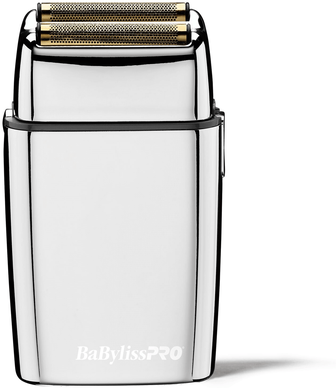
BaBylissPRO Silver Metals Cordless Metal Single Foil ShaverProfessional, full-size metal foil shaver equipped with a powerful rotary motor.A great tool for an extra-close shave on the neck, face, and all around the hairline. Clipper and Trimmer Sales are Final*69,99 $*Shipping: 0,00 $Secure redirect to the provider
-
BaBylissPRO Silver Metals Cordless Metal Double Foil ShaverProfessional, full-size metal foil shaver equipped with a powerful rotary motor. A great tool for an extra-close shave on the neck, face, and all around the hairline.Replacement Blade for FXFS1Clipper and Trimmer Sales are Final*149,99 $*Shipping: 0,00 $Secure redirect to the provider
-
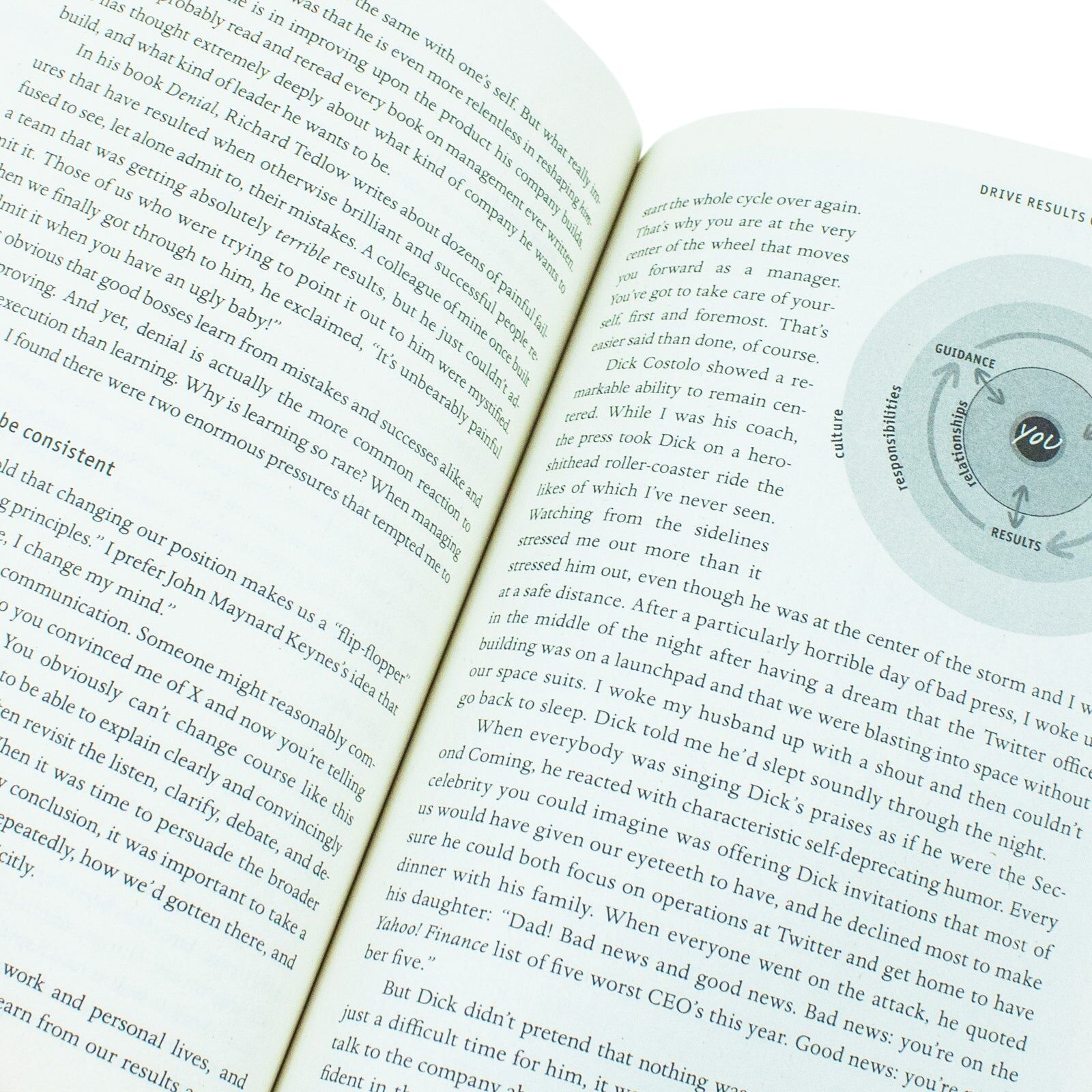
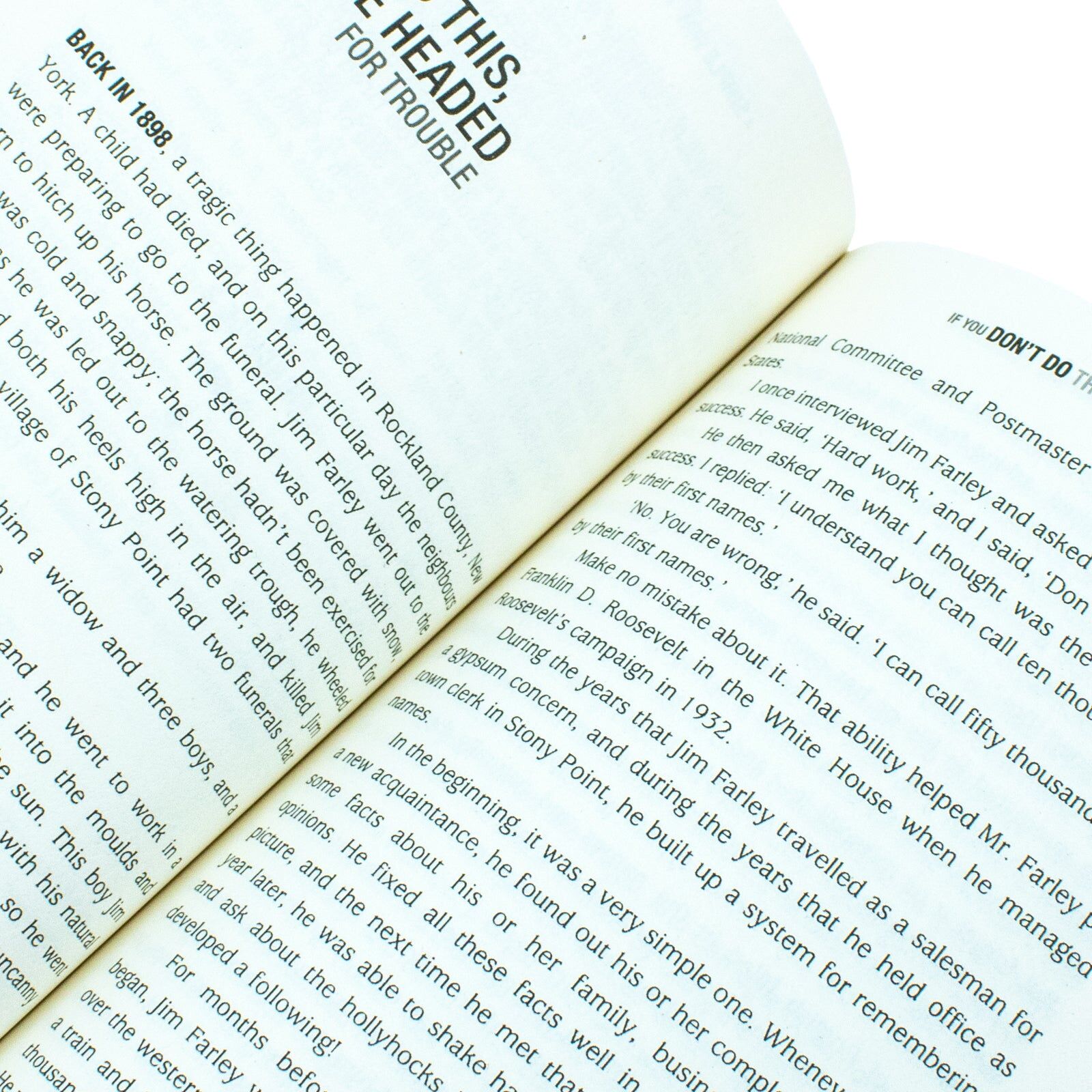
Wilco International LLP How to Win Friends and Influence People by Dale Carnegie Classic Self Help Book on Communication, Leadership, Confidence & Personal DevelopmentDiscover one of the world's best-known personal development books with How to Win Friends and Influence People by Dale Carnegie. First published in 1936, this enduring classic presents practical principles for communicating effectively, building positive relationships and working successfully with other people. Through memorable examples and straightforward advice, Carnegie explores how to make a positive impression, handle disagreements constructively, encourage cooperation and become a more effective communicator. The principles can be applied across everyday life, from personal relationships and social situations to business, management, sales, networking and leadership. Accessible and practical, How to Win Friends and Influence People remains popular with readers interested in improving their communication skills, confidence, interpersonal relationships and professional development. Key Features Classic personal development book by Dale Carnegie Practical principles for improving communication Explores relationships, leadership and interpersonal skills Useful for business, management, sales and networking Helps readers understand effective people skills Suitable for personal and professional development Excellent gift for entrepreneurs, managers and self-improvement readers9,99 £*Shipping: 2,99 £Secure redirect to the provider

-
What are precious metals and base metals?
Precious metals are rare, naturally occurring metallic elements that have high economic value. Examples of precious metals include gold, silver, and platinum. These metals are often used in jewelry, investment, and industrial applications. On the other hand, base metals are more common metallic elements that are not as valuable as precious metals. Examples of base metals include copper, zinc, and nickel. These metals are widely used in construction, manufacturing, and electrical applications. **
-
Why are alkali metals called alkali metals?
Alkali metals are called alkali metals because they form alkaline solutions when they react with water. When alkali metals such as lithium, sodium, and potassium come into contact with water, they produce hydroxide ions, which make the solution alkaline. This property of forming alkaline solutions is the reason why they are called alkali metals. **
-
Why are all elements of the transition metals metals?
All elements of the transition metals are metals because they share common characteristics such as being good conductors of heat and electricity, having high melting and boiling points, and being malleable and ductile. These properties are due to the presence of loosely held electrons in their outermost energy levels, which allows them to easily lose electrons and form positive ions. Transition metals also have a high density and luster, further contributing to their classification as metals. **
-
Can metals burn?
Yes, metals can burn under certain conditions. When exposed to high enough temperatures, some metals can react with oxygen in the air and undergo a process called combustion, resulting in the formation of metal oxides and the release of heat and light. For example, magnesium and titanium are known to burn in air when heated to high temperatures. However, not all metals are easily combustible, and the conditions required for them to burn vary depending on the specific metal. **
What are the differences between alkali metals and alkaline earth metals?
Alkali metals and alkaline earth metals are both groups of elements found in the periodic table. Alkali metals are located in group 1 and include elements like lithium, sodium, and potassium, while alkaline earth metals are located in group 2 and include elements like beryllium, magnesium, and calcium. One key difference between the two groups is their reactivity - alkali metals are more reactive than alkaline earth metals. Additionally, alkali metals have one electron in their outermost shell, while alkaline earth metals have two electrons in their outermost shell. **
What is the difference between alkali metals and alkaline earth metals?
Alkali metals are the elements found in Group 1 of the periodic table, while alkaline earth metals are found in Group 2. Alkali metals are more reactive than alkaline earth metals due to their lower ionization energy. Alkali metals have one electron in their outermost shell, while alkaline earth metals have two electrons in their outermost shell. **
Top-Angebote
Products related to Metals:
-
Pan Macmillan Radical Candor by Kim Scott The Bestselling Leadership Book - Management, Feedback & Workplace Culture BookRadical Candor by Kim Scott is a groundbreaking leadership and communication guide that teaches how to give feedback effectively, build trust, and create high-performing teams without becoming harsh—or avoiding difficult conversations. Based on Scott’s experience at Google, Apple and Silicon Valley startups, Radical Candor introduces a simple but powerful framework built on two pillars: Care Personally Challenge Directly The book provides practical tools for giving honest feedback, fostering open communication, strengthening working relationships, and becoming a more compassionate and impactful leader. Perfect for managers, team leaders, HR professionals, and anyone wanting to build a healthy, productive workplace culture. Radical Candor is the perfect handbook for those who are looking to find meaning in their job and create an environment where people love both their work and their colleagues, and are motivated to strive to ever greater success.2,99 £*Shipping: 1,99 £Secure redirect to the provider
-
BaBylissPRO Silver Metals Cordless ClipperSilver Metals Cordless Clipper is a cord/cordless lithium clipper, equipped with a high torque brushless engine. A perfect tool for cutting all hair textures with power, speed and precision. Clipper and Trimmer Sales are Final*249,99 $*Shipping: 0,00 $Secure redirect to the provider
-
BaBylissPRO Silver Metals Cordless Metal Single Foil ShaverProfessional, full-size metal foil shaver equipped with a powerful rotary motor.A great tool for an extra-close shave on the neck, face, and all around the hairline. Clipper and Trimmer Sales are Final*69,99 $*Shipping: 0,00 $Secure redirect to the provider
-
BaBylissPRO Silver Metals Cordless Metal Double Foil ShaverProfessional, full-size metal foil shaver equipped with a powerful rotary motor. A great tool for an extra-close shave on the neck, face, and all around the hairline.Replacement Blade for FXFS1Clipper and Trimmer Sales are Final*149,99 $*Shipping: 0,00 $Secure redirect to the provider
-
Which metals are ferrous metals?
Ferrous metals are metals that contain iron, such as steel and cast iron. These metals are known for their strength and durability, making them commonly used in construction, manufacturing, and automotive industries. Ferrous metals are also magnetic and have good conductivity, making them versatile for various applications. **
-
Why can base metals precipitate noble metals?
Base metals can precipitate noble metals through a process called cementation. This occurs because base metals have a higher reactivity compared to noble metals. When a base metal is in contact with a solution containing a noble metal ion, the base metal will oxidize and release electrons, causing the noble metal ion to be reduced and form a solid precipitate on the surface of the base metal. This allows for the separation and recovery of noble metals from a solution containing a mixture of different metals. **
-
What are precious metals and base metals?
Precious metals are rare, naturally occurring metallic elements that have high economic value. Examples of precious metals include gold, silver, and platinum. These metals are often used in jewelry, investment, and industrial applications. On the other hand, base metals are more common metallic elements that are not as valuable as precious metals. Examples of base metals include copper, zinc, and nickel. These metals are widely used in construction, manufacturing, and electrical applications. **
-
Why are alkali metals called alkali metals?
Alkali metals are called alkali metals because they form alkaline solutions when they react with water. When alkali metals such as lithium, sodium, and potassium come into contact with water, they produce hydroxide ions, which make the solution alkaline. This property of forming alkaline solutions is the reason why they are called alkali metals. **
Similar search terms for Metals
-
Wilco International LLP How to Win Friends and Influence People by Dale Carnegie Classic Self Help Book on Communication, Leadership, Confidence & Personal DevelopmentDiscover one of the world's best-known personal development books with How to Win Friends and Influence People by Dale Carnegie. First published in 1936, this enduring classic presents practical principles for communicating effectively, building positive relationships and working successfully with other people. Through memorable examples and straightforward advice, Carnegie explores how to make a positive impression, handle disagreements constructively, encourage cooperation and become a more effective communicator. The principles can be applied across everyday life, from personal relationships and social situations to business, management, sales, networking and leadership. Accessible and practical, How to Win Friends and Influence People remains popular with readers interested in improving their communication skills, confidence, interpersonal relationships and professional development. Key Features Classic personal development book by Dale Carnegie Practical principles for improving communication Explores relationships, leadership and interpersonal skills Useful for business, management, sales and networking Helps readers understand effective people skills Suitable for personal and professional development Excellent gift for entrepreneurs, managers and self-improvement readers9,99 £*Shipping: 2,99 £Secure redirect to the provider
-
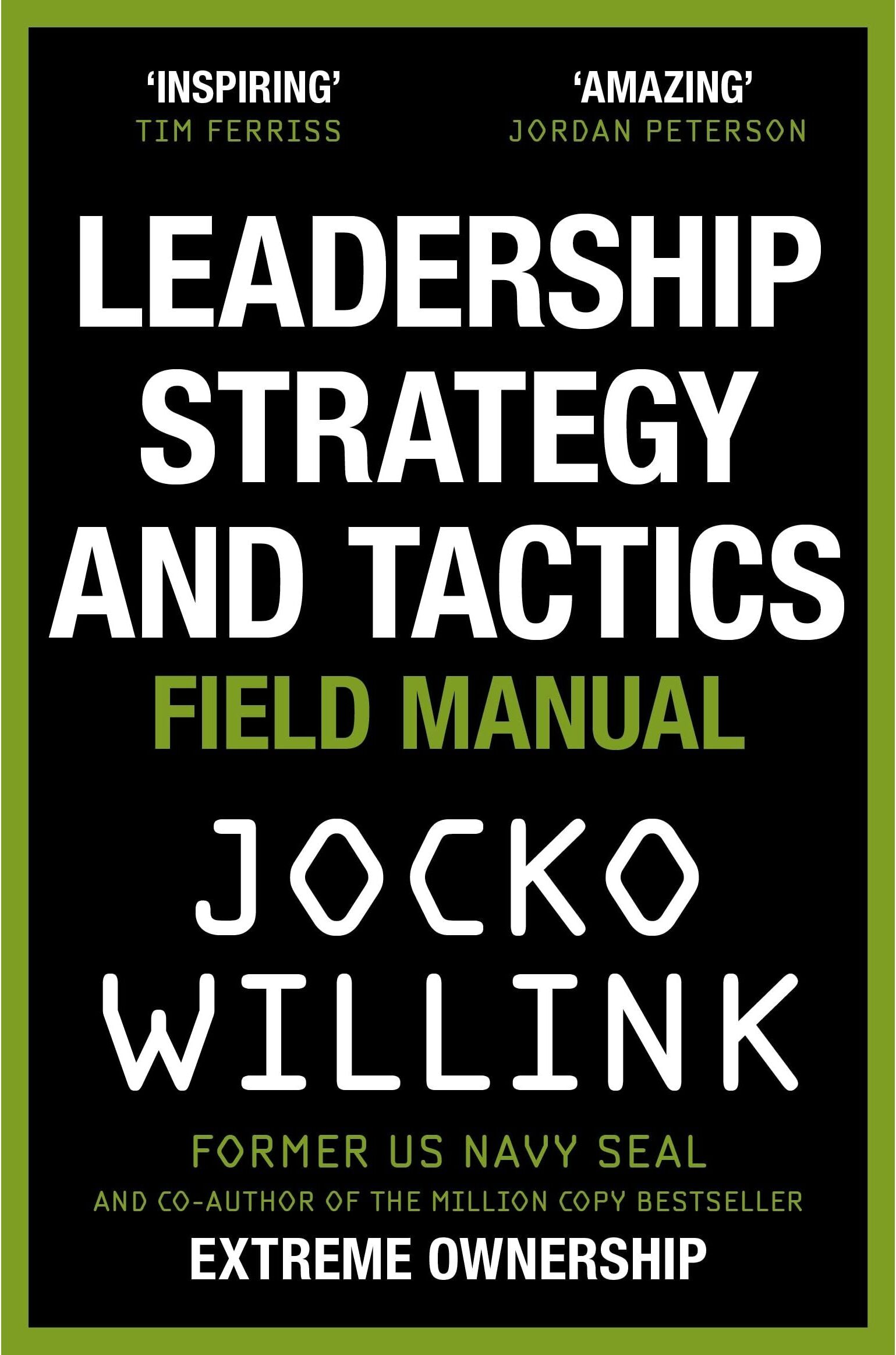
MACMILLAN Leadership Strategy and Tactics: Learn to Lead Like a Navy SEALLeadership is the most challenging of human endeavours. It is often misunderstood. It can bewilder, mystify and frustrate even the most dedicated practitioners. Leaders at all levels are often forced to use theoretical guesswork to make decisions and lead their troops. It doesn’t have to be that way. There are principles that can be applied and tenets that can be followed. There are skills that can be learned and manoeuvres that can be practised and executed. There are leadership strategies and tactics that have been tested and proven on the battlefield, in business and in life. Retired Navy SEAL Officer Jocko Willink delivers his powerful and pragmatic leadership methodology that teaches how to lead any team in any situation to victory. Here, you will learn how to: * Deal with egos and the problems they cause * Earn and build trust with both your subordinates and superiors * Instil pride in your team, without creating arrogance * Overcome challenges presented by a micromanaging, indecisive or weak boss * Create a disciplined team that regulates itself * Use leadership as a tool to teach, mentor, train and correct behaviour of team members * Operate at a maximum level of efficiency – and reap the rewards . . . and more. This book is step one towards becoming the commander of your own life. The rest is up to you.8,99 £*Shipping: 2,99 £Secure redirect to the provider
-
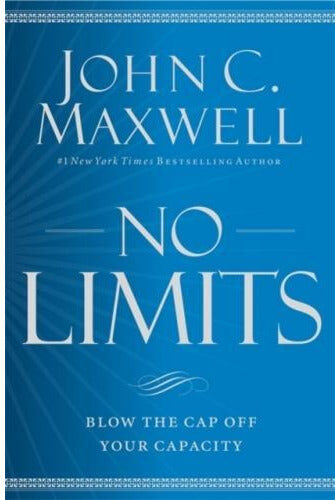
Little Brown Book Group No Limits: Blow the Cap Off Your Capacity by John C. Maxwell – Personal Growth & Leadership Development GuideNo Limits: Blow the CAP Off Your Capacity Description We often treat the word capacity as if it were a natural law of limitation. Unfortunately; most of us are much more comfortable defining what we perceive is off limits rather than what's possible. Could it be that many people have allowed what they perceive as capacity to define them? Have they allowed their perception to limit their attitudes about their potential? In his newest book; John Maxwell identifies 17 core capacities. Some of these are abilities we all already possess; such as energy; creativity and leadership. Others are aspects of our lives controlled by our choices; like our attitudes; character; and intentionality. Maxwell examines each of these 17 capacities; and provides clear and actionable advice on how you can increase your potential in each. He will guide you on how to identify; grow; and apply your critical capacities to your daily life. Once you've blown the 'cap' off your capacities; you'll find yourself more successful--and fulfilled--in your daily life.5,99 £*Shipping: 2,99 £Secure redirect to the provider
-
Why are all elements of the transition metals metals?
All elements of the transition metals are metals because they share common characteristics such as being good conductors of heat and electricity, having high melting and boiling points, and being malleable and ductile. These properties are due to the presence of loosely held electrons in their outermost energy levels, which allows them to easily lose electrons and form positive ions. Transition metals also have a high density and luster, further contributing to their classification as metals. **
-
Can metals burn?
Yes, metals can burn under certain conditions. When exposed to high enough temperatures, some metals can react with oxygen in the air and undergo a process called combustion, resulting in the formation of metal oxides and the release of heat and light. For example, magnesium and titanium are known to burn in air when heated to high temperatures. However, not all metals are easily combustible, and the conditions required for them to burn vary depending on the specific metal. **
-
What are the differences between alkali metals and alkaline earth metals?
Alkali metals and alkaline earth metals are both groups of elements found in the periodic table. Alkali metals are located in group 1 and include elements like lithium, sodium, and potassium, while alkaline earth metals are located in group 2 and include elements like beryllium, magnesium, and calcium. One key difference between the two groups is their reactivity - alkali metals are more reactive than alkaline earth metals. Additionally, alkali metals have one electron in their outermost shell, while alkaline earth metals have two electrons in their outermost shell. **
-
What is the difference between alkali metals and alkaline earth metals?
Alkali metals are the elements found in Group 1 of the periodic table, while alkaline earth metals are found in Group 2. Alkali metals are more reactive than alkaline earth metals due to their lower ionization energy. Alkali metals have one electron in their outermost shell, while alkaline earth metals have two electrons in their outermost shell. **
* All prices are inclusive of VAT and, if applicable, plus shipping costs. The offer information is based on the details provided by the respective shop and is updated through automated processes. Real-time updates do not occur, so deviations can occur in individual cases. ** Note: Parts of this content were created by AI.