Buy management-coaching.eu ?
We are moving the project
management-coaching.eu .
Are you interested in purchasing the domain
management-coaching.eu ?
domain@kv-gmbh.de · 0541-91531010
Buy management-coaching.eu ?
What are semi-synthetic plastics and synthetic plastics?
Semi-synthetic plastics are materials that are derived from natural polymers, such as cellulose or starch, and then chemically modified to improve their properties. Examples of semi-synthetic plastics include cellulose acetate and rayon. On the other hand, synthetic plastics are entirely man-made materials produced from chemical reactions involving petroleum-based or other synthetic polymers. Examples of synthetic plastics include polyethylene, polypropylene, and polystyrene. Both semi-synthetic and synthetic plastics are widely used in various industries due to their versatility and durability. **
What are plastics? What are the differences between thermoplastics and thermosetting plastics?
Plastics are synthetic materials made from polymers, which are long chains of molecules. They are lightweight, durable, and can be molded into various shapes, making them ideal for a wide range of applications. The main difference between thermoplastics and thermosetting plastics lies in their response to heat. Thermoplastics can be melted and reshaped multiple times without undergoing any chemical change, while thermosetting plastics undergo a chemical reaction when heated and cannot be reshaped once they have been set. This means that thermoplastics are recyclable, while thermosetting plastics are not. **
Similar search terms for Plastics
Top-Angebote
Products related to Plastics:
-
Little Brown Book Group No Limits: Blow the Cap Off Your Capacity by John C. Maxwell – Personal Growth & Leadership Development GuideNo Limits: Blow the CAP Off Your Capacity Description We often treat the word capacity as if it were a natural law of limitation. Unfortunately; most of us are much more comfortable defining what we perceive is off limits rather than what's possible. Could it be that many people have allowed what they perceive as capacity to define them? Have they allowed their perception to limit their attitudes about their potential? In his newest book; John Maxwell identifies 17 core capacities. Some of these are abilities we all already possess; such as energy; creativity and leadership. Others are aspects of our lives controlled by our choices; like our attitudes; character; and intentionality. Maxwell examines each of these 17 capacities; and provides clear and actionable advice on how you can increase your potential in each. He will guide you on how to identify; grow; and apply your critical capacities to your daily life. Once you've blown the 'cap' off your capacities; you'll find yourself more successful--and fulfilled--in your daily life.5,99 £*Shipping: 2,99 £Secure redirect to the provider
-
Wilco International LLP How to Win Friends and Influence People by Dale Carnegie Classic Self Help Book on Communication, Leadership, Confidence & Personal DevelopmentDiscover one of the world's best-known personal development books with How to Win Friends and Influence People by Dale Carnegie. First published in 1936, this enduring classic presents practical principles for communicating effectively, building positive relationships and working successfully with other people. Through memorable examples and straightforward advice, Carnegie explores how to make a positive impression, handle disagreements constructively, encourage cooperation and become a more effective communicator. The principles can be applied across everyday life, from personal relationships and social situations to business, management, sales, networking and leadership. Accessible and practical, How to Win Friends and Influence People remains popular with readers interested in improving their communication skills, confidence, interpersonal relationships and professional development. Key Features Classic personal development book by Dale Carnegie Practical principles for improving communication Explores relationships, leadership and interpersonal skills Useful for business, management, sales and networking Helps readers understand effective people skills Suitable for personal and professional development Excellent gift for entrepreneurs, managers and self-improvement readers9,99 £*Shipping: 2,99 £Secure redirect to the provider
-
Uplift Essentials Solar Outdoor Lights Waterproof Landscape Lighting (10 Pack) plastics warm LightTransform your homes curb appeal instantly with this Solar Outdoor Lights Waterproof set. Designed to bring a sophisticated and welcoming glow to your exterior spaces, these lights are the ultimate solution for Pathway, Patio, and Yard Decoration....107,97 $*Shipping: 0,00 $Secure redirect to the provider
-
Classic Editions The Complete Art of War – 8 Book Hardback Box Set Sun Tzu & Ancient Chinese Military Strategy Classics Leadership, Warfare & Strategy CollectionExplore centuries of strategic thinking with The Complete Art of War – 8 Books Collection Hardback Box Set, an impressive collection of classical Chinese writings on warfare, leadership, tactics and strategy. Bringing together influential works from ancient Chinese military thought, this hardback collection includes titles such as The Art of War, Methods of the Sima, Wuzi, Wei Liaozi, Three Strategies of Huang Shigong, and Six Secret Teachings of Taigong, alongside additional works included in the eight-volume set. These enduring texts examine subjects including leadership, planning, discipline, intelligence, diplomacy, battlefield tactics and strategic decision-making. Although written in the context of ancient warfare, many of their principles have subsequently attracted readers interested in history, leadership and strategic thinking. Presented as an 8-volume hardback boxed collection, the set is ideal for readers of military history, students of classical philosophy and collectors of beautifully presented classic works. Why Readers Will Love This Collection Includes 8 hardback volumes in a collectible box set Features influential works of ancient Chinese military strategy Explores strategy, leadership, tactics and decision-making Excellent addition to military history and philosophy collections Attractive hardback format for a home or study library Ideal gift for history, strategy and classic literature enthusiasts The Complete Art of War 8 Book Collection brings together some of history's most enduring works on strategy in one impressive hardback set. Titles In This Set: Notebook Questions and Replies Three Strategies of Huang Shigong Wuzi Wei Liaozi The Methods of The Sima Six Secret Teachings of Taigong The Art of War16,99 £*Shipping: 2,99 £Secure redirect to the provider



-
How are plastics properly explained?
Plastics are typically explained as synthetic materials made from polymers, which are long chains of molecules. These polymers can be molded and shaped into a wide variety of products, making plastics versatile and useful in many industries. Plastics are further categorized based on their properties, such as thermoplastics and thermosetting plastics, which determine their behavior when exposed to heat. Understanding the composition, properties, and uses of plastics is essential for proper explanation and utilization of these materials in various applications. **
-
What are plastics in chemistry?
Plastics are a group of synthetic materials made from polymers, which are long chains of molecules. These polymers are derived from petrochemicals and can be molded into various shapes and forms. Plastics are versatile materials that are used in a wide range of applications due to their durability, lightweight, and low cost. However, their non-biodegradable nature has led to environmental concerns regarding their disposal and impact on ecosystems. **
-
How do you remove plastics?
To remove plastics, you can start by reducing your use of single-use plastics and opting for reusable alternatives. You can also recycle any plastic items that you no longer need by sorting them and placing them in the appropriate recycling bins. Additionally, participating in beach or community clean-up events can help remove plastics from the environment. Finally, supporting policies and initiatives that aim to reduce plastic pollution can also contribute to the removal of plastics from the environment. **
-
How can one represent plastics?
Plastics can be represented in various ways, such as through visual images, physical samples, or data charts. Visual representations can include photographs or illustrations of plastic products, manufacturing processes, or environmental impacts. Physical samples of different types of plastics can be used to demonstrate their properties and applications. Data charts and graphs can also be used to represent information about plastic production, consumption, recycling rates, and environmental effects. Overall, representing plastics effectively involves using a combination of visual, physical, and data-driven methods to convey information about this versatile and widely used material. **


How do plastics change their properties?
Plastics can change their properties through processes such as heating, cooling, or adding additives. For example, heating can make plastics more malleable and easier to shape, while cooling can make them harder and more rigid. Additives like plasticizers can also be used to alter properties such as flexibility and durability. Overall, the properties of plastics can be manipulated to suit different applications and requirements. **
What is approximately recyclable in plastics?
Approximately 9% of all plastic ever produced has been recycled. This low percentage is due to various factors such as contamination, lack of recycling infrastructure, and the complexity of sorting different types of plastics. However, advancements in technology and increased awareness about the importance of recycling are helping to improve these rates. It is important for individuals and businesses to continue to prioritize recycling plastics to reduce waste and protect the environment. **
Top-Angebote
Products related to Plastics:
-
Pan Macmillan Radical Candor by Kim Scott The Bestselling Leadership Book - Management, Feedback & Workplace Culture BookRadical Candor by Kim Scott is a groundbreaking leadership and communication guide that teaches how to give feedback effectively, build trust, and create high-performing teams without becoming harsh—or avoiding difficult conversations. Based on Scott’s experience at Google, Apple and Silicon Valley startups, Radical Candor introduces a simple but powerful framework built on two pillars: Care Personally Challenge Directly The book provides practical tools for giving honest feedback, fostering open communication, strengthening working relationships, and becoming a more compassionate and impactful leader. Perfect for managers, team leaders, HR professionals, and anyone wanting to build a healthy, productive workplace culture. Radical Candor is the perfect handbook for those who are looking to find meaning in their job and create an environment where people love both their work and their colleagues, and are motivated to strive to ever greater success.2,99 £*Shipping: 1,99 £Secure redirect to the provider
-
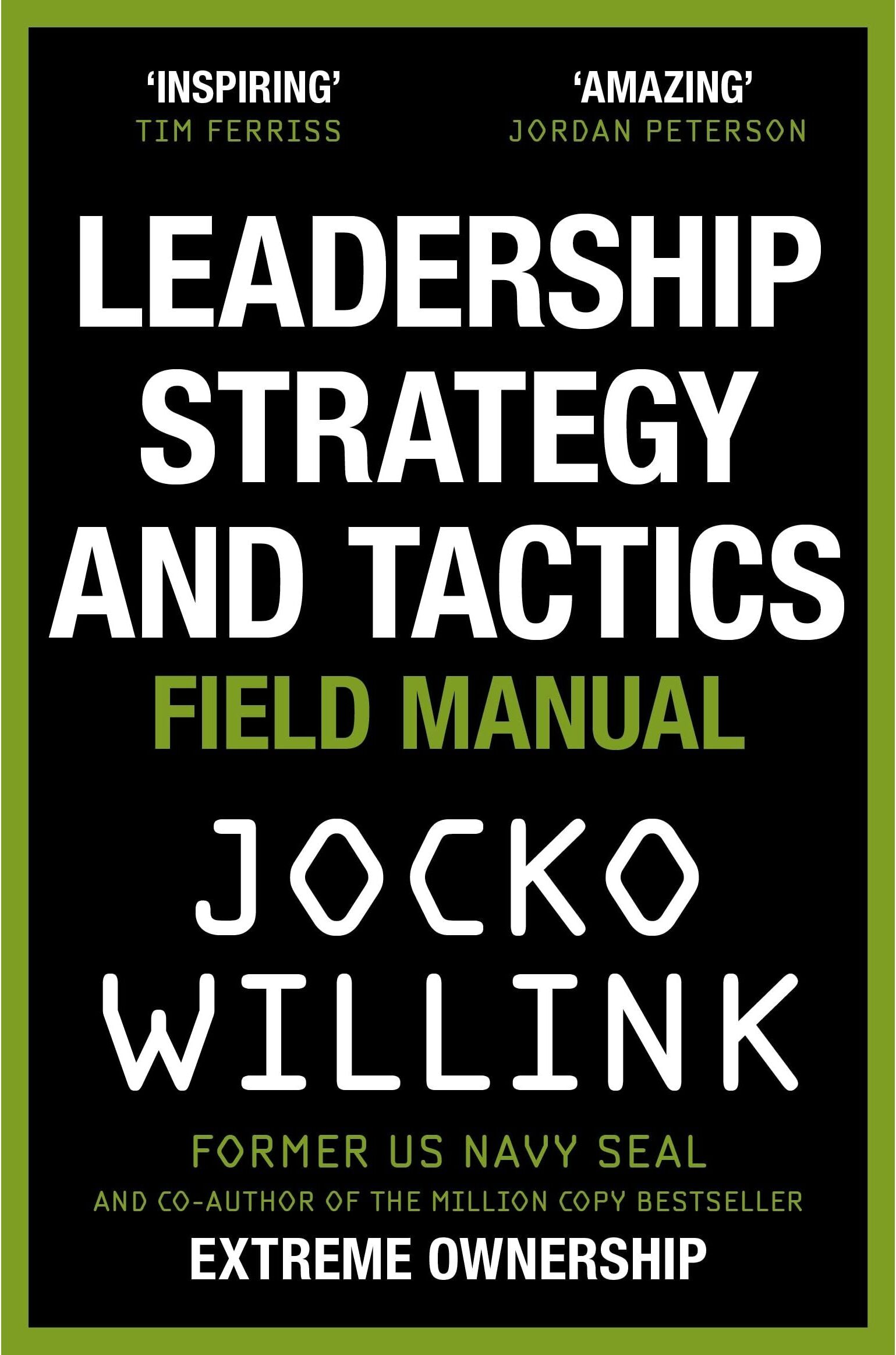
MACMILLAN Leadership Strategy and Tactics: Learn to Lead Like a Navy SEALLeadership is the most challenging of human endeavours. It is often misunderstood. It can bewilder, mystify and frustrate even the most dedicated practitioners. Leaders at all levels are often forced to use theoretical guesswork to make decisions and lead their troops. It doesn’t have to be that way. There are principles that can be applied and tenets that can be followed. There are skills that can be learned and manoeuvres that can be practised and executed. There are leadership strategies and tactics that have been tested and proven on the battlefield, in business and in life. Retired Navy SEAL Officer Jocko Willink delivers his powerful and pragmatic leadership methodology that teaches how to lead any team in any situation to victory. Here, you will learn how to: * Deal with egos and the problems they cause * Earn and build trust with both your subordinates and superiors * Instil pride in your team, without creating arrogance * Overcome challenges presented by a micromanaging, indecisive or weak boss * Create a disciplined team that regulates itself * Use leadership as a tool to teach, mentor, train and correct behaviour of team members * Operate at a maximum level of efficiency – and reap the rewards . . . and more. This book is step one towards becoming the commander of your own life. The rest is up to you.8,99 £*Shipping: 2,99 £Secure redirect to the provider
-
Little Brown Book Group No Limits: Blow the Cap Off Your Capacity by John C. Maxwell – Personal Growth & Leadership Development GuideNo Limits: Blow the CAP Off Your Capacity Description We often treat the word capacity as if it were a natural law of limitation. Unfortunately; most of us are much more comfortable defining what we perceive is off limits rather than what's possible. Could it be that many people have allowed what they perceive as capacity to define them? Have they allowed their perception to limit their attitudes about their potential? In his newest book; John Maxwell identifies 17 core capacities. Some of these are abilities we all already possess; such as energy; creativity and leadership. Others are aspects of our lives controlled by our choices; like our attitudes; character; and intentionality. Maxwell examines each of these 17 capacities; and provides clear and actionable advice on how you can increase your potential in each. He will guide you on how to identify; grow; and apply your critical capacities to your daily life. Once you've blown the 'cap' off your capacities; you'll find yourself more successful--and fulfilled--in your daily life.5,99 £*Shipping: 2,99 £Secure redirect to the provider
-
Wilco International LLP How to Win Friends and Influence People by Dale Carnegie Classic Self Help Book on Communication, Leadership, Confidence & Personal DevelopmentDiscover one of the world's best-known personal development books with How to Win Friends and Influence People by Dale Carnegie. First published in 1936, this enduring classic presents practical principles for communicating effectively, building positive relationships and working successfully with other people. Through memorable examples and straightforward advice, Carnegie explores how to make a positive impression, handle disagreements constructively, encourage cooperation and become a more effective communicator. The principles can be applied across everyday life, from personal relationships and social situations to business, management, sales, networking and leadership. Accessible and practical, How to Win Friends and Influence People remains popular with readers interested in improving their communication skills, confidence, interpersonal relationships and professional development. Key Features Classic personal development book by Dale Carnegie Practical principles for improving communication Explores relationships, leadership and interpersonal skills Useful for business, management, sales and networking Helps readers understand effective people skills Suitable for personal and professional development Excellent gift for entrepreneurs, managers and self-improvement readers9,99 £*Shipping: 2,99 £Secure redirect to the provider
-
What are semi-synthetic plastics and synthetic plastics?
Semi-synthetic plastics are materials that are derived from natural polymers, such as cellulose or starch, and then chemically modified to improve their properties. Examples of semi-synthetic plastics include cellulose acetate and rayon. On the other hand, synthetic plastics are entirely man-made materials produced from chemical reactions involving petroleum-based or other synthetic polymers. Examples of synthetic plastics include polyethylene, polypropylene, and polystyrene. Both semi-synthetic and synthetic plastics are widely used in various industries due to their versatility and durability. **
-
What are plastics? What are the differences between thermoplastics and thermosetting plastics?
Plastics are synthetic materials made from polymers, which are long chains of molecules. They are lightweight, durable, and can be molded into various shapes, making them ideal for a wide range of applications. The main difference between thermoplastics and thermosetting plastics lies in their response to heat. Thermoplastics can be melted and reshaped multiple times without undergoing any chemical change, while thermosetting plastics undergo a chemical reaction when heated and cannot be reshaped once they have been set. This means that thermoplastics are recyclable, while thermosetting plastics are not. **
-
How are plastics properly explained?
Plastics are typically explained as synthetic materials made from polymers, which are long chains of molecules. These polymers can be molded and shaped into a wide variety of products, making plastics versatile and useful in many industries. Plastics are further categorized based on their properties, such as thermoplastics and thermosetting plastics, which determine their behavior when exposed to heat. Understanding the composition, properties, and uses of plastics is essential for proper explanation and utilization of these materials in various applications. **
-
What are plastics in chemistry?
Plastics are a group of synthetic materials made from polymers, which are long chains of molecules. These polymers are derived from petrochemicals and can be molded into various shapes and forms. Plastics are versatile materials that are used in a wide range of applications due to their durability, lightweight, and low cost. However, their non-biodegradable nature has led to environmental concerns regarding their disposal and impact on ecosystems. **
Similar search terms for Plastics
-
Uplift Essentials Solar Outdoor Lights Waterproof Landscape Lighting (10 Pack) plastics warm LightTransform your homes curb appeal instantly with this Solar Outdoor Lights Waterproof set. Designed to bring a sophisticated and welcoming glow to your exterior spaces, these lights are the ultimate solution for Pathway, Patio, and Yard Decoration....107,97 $*Shipping: 0,00 $Secure redirect to the provider
-
Classic Editions The Complete Art of War – 8 Book Hardback Box Set Sun Tzu & Ancient Chinese Military Strategy Classics Leadership, Warfare & Strategy CollectionExplore centuries of strategic thinking with The Complete Art of War – 8 Books Collection Hardback Box Set, an impressive collection of classical Chinese writings on warfare, leadership, tactics and strategy. Bringing together influential works from ancient Chinese military thought, this hardback collection includes titles such as The Art of War, Methods of the Sima, Wuzi, Wei Liaozi, Three Strategies of Huang Shigong, and Six Secret Teachings of Taigong, alongside additional works included in the eight-volume set. These enduring texts examine subjects including leadership, planning, discipline, intelligence, diplomacy, battlefield tactics and strategic decision-making. Although written in the context of ancient warfare, many of their principles have subsequently attracted readers interested in history, leadership and strategic thinking. Presented as an 8-volume hardback boxed collection, the set is ideal for readers of military history, students of classical philosophy and collectors of beautifully presented classic works. Why Readers Will Love This Collection Includes 8 hardback volumes in a collectible box set Features influential works of ancient Chinese military strategy Explores strategy, leadership, tactics and decision-making Excellent addition to military history and philosophy collections Attractive hardback format for a home or study library Ideal gift for history, strategy and classic literature enthusiasts The Complete Art of War 8 Book Collection brings together some of history's most enduring works on strategy in one impressive hardback set. Titles In This Set: Notebook Questions and Replies Three Strategies of Huang Shigong Wuzi Wei Liaozi The Methods of The Sima Six Secret Teachings of Taigong The Art of War16,99 £*Shipping: 2,99 £Secure redirect to the provider
-
Inspire Curations 3W RGB Remote Control Up Down LED Wall Light black rgb abs PlasticsTransform ordinary walls with this RGB LED wall light, designed to bring colorful atmosphere and modern style into your indoor spaces. Its upanddown lighting effect creates eyecatching patterns while adding depth to bedrooms, living rooms, gaming...73,00 $*Shipping: 0,00 $Secure redirect to the provider
-
Lush Living Finds Pulp Plastics Paper Snowflake Ornaments, White Glitter Raw Decor, Christmas Venue Decoration gold 12pcsTransform your festive setup with these elegant 12Pcs White Glitter Raw Pulp Plastics Paper Snowflake ornaments. Designed to bring a magical winter feel to any space, these delicate snowflakes offer a charming blend of sparkle, texture, and seasonal...31,97 $*Shipping: 0,00 $Secure redirect to the provider
-
How do you remove plastics?
To remove plastics, you can start by reducing your use of single-use plastics and opting for reusable alternatives. You can also recycle any plastic items that you no longer need by sorting them and placing them in the appropriate recycling bins. Additionally, participating in beach or community clean-up events can help remove plastics from the environment. Finally, supporting policies and initiatives that aim to reduce plastic pollution can also contribute to the removal of plastics from the environment. **
-
How can one represent plastics?
Plastics can be represented in various ways, such as through visual images, physical samples, or data charts. Visual representations can include photographs or illustrations of plastic products, manufacturing processes, or environmental impacts. Physical samples of different types of plastics can be used to demonstrate their properties and applications. Data charts and graphs can also be used to represent information about plastic production, consumption, recycling rates, and environmental effects. Overall, representing plastics effectively involves using a combination of visual, physical, and data-driven methods to convey information about this versatile and widely used material. **
-
How do plastics change their properties?
Plastics can change their properties through processes such as heating, cooling, or adding additives. For example, heating can make plastics more malleable and easier to shape, while cooling can make them harder and more rigid. Additives like plasticizers can also be used to alter properties such as flexibility and durability. Overall, the properties of plastics can be manipulated to suit different applications and requirements. **
-
What is approximately recyclable in plastics?
Approximately 9% of all plastic ever produced has been recycled. This low percentage is due to various factors such as contamination, lack of recycling infrastructure, and the complexity of sorting different types of plastics. However, advancements in technology and increased awareness about the importance of recycling are helping to improve these rates. It is important for individuals and businesses to continue to prioritize recycling plastics to reduce waste and protect the environment. **
* All prices are inclusive of VAT and, if applicable, plus shipping costs. The offer information is based on the details provided by the respective shop and is updated through automated processes. Real-time updates do not occur, so deviations can occur in individual cases. ** Note: Parts of this content were created by AI.