Buy management-coaching.eu ?
We are moving the project
management-coaching.eu .
Are you interested in purchasing the domain
management-coaching.eu ?
domain@kv-gmbh.de · 0541-91531010
Buy management-coaching.eu ?
How does sensory development progress?
Sensory development progresses through a series of stages, beginning with basic sensory experiences such as touch, taste, and smell in infancy. As children grow, they develop more refined sensory abilities, such as improved vision and hearing, and begin to integrate sensory information to make sense of their environment. This process continues into adolescence and adulthood, with individuals becoming more adept at interpreting and responding to sensory stimuli. Overall, sensory development progresses from basic sensory experiences to more complex and integrated sensory abilities as individuals mature. **
What are sensory cells, sensory organs, and senses?
Sensory cells are specialized cells that detect and respond to specific stimuli, such as light, sound, touch, taste, and smell. These cells are found in sensory organs, which are structures in the body that contain sensory cells and are responsible for detecting and transmitting sensory information to the brain. The senses, on the other hand, are the physiological capacities of organisms that provide data for perception. They include sight, hearing, touch, taste, and smell, and are essential for experiencing and interacting with the environment. **
Similar search terms for Sensory
Top-Angebote
Products related to Sensory:
-
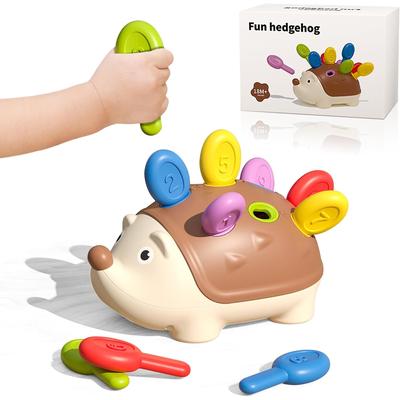
Tiny Tots Teens Trends Montessori Educational Toy, Hedgehog Fine Motor Skills, Toddler Counting, Sensory Development Montessori Educational Toy, Hedgehog Fine Motor Skills, Toddler Counting, Sensory DevelopmentHedgehog Montessori Educational Toy is a delightful and engaging learning tool designed to help toddlers develop essential fine motor skills, improve their concentration, and enhance sensory development. This toy promotes handson learning through...59,97 $*Shipping: 0,00 $Secure redirect to the provider
-
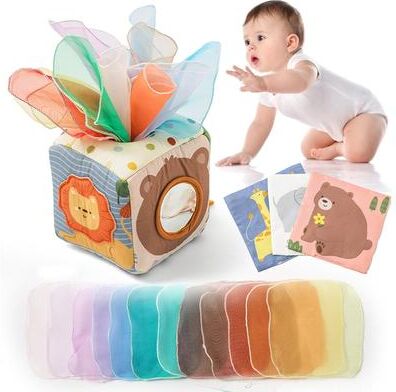
JoyToys Montessori Baby Sensory Tissue Box Early Learning Toy For Fine Motor Skill Development Montessori Baby Sensory Tissue Box Early Learning Toy For Fine Motor Skill DevelopmentExperience the joy of watching your little one learn through play with this Montessori baby toy designed to spark curiosity from the very first touch. This engaging sensory tissue box encourages babies to pull, grasp, explore, and discover while...34,97 $*Shipping: 0,00 $Secure redirect to the provider
-
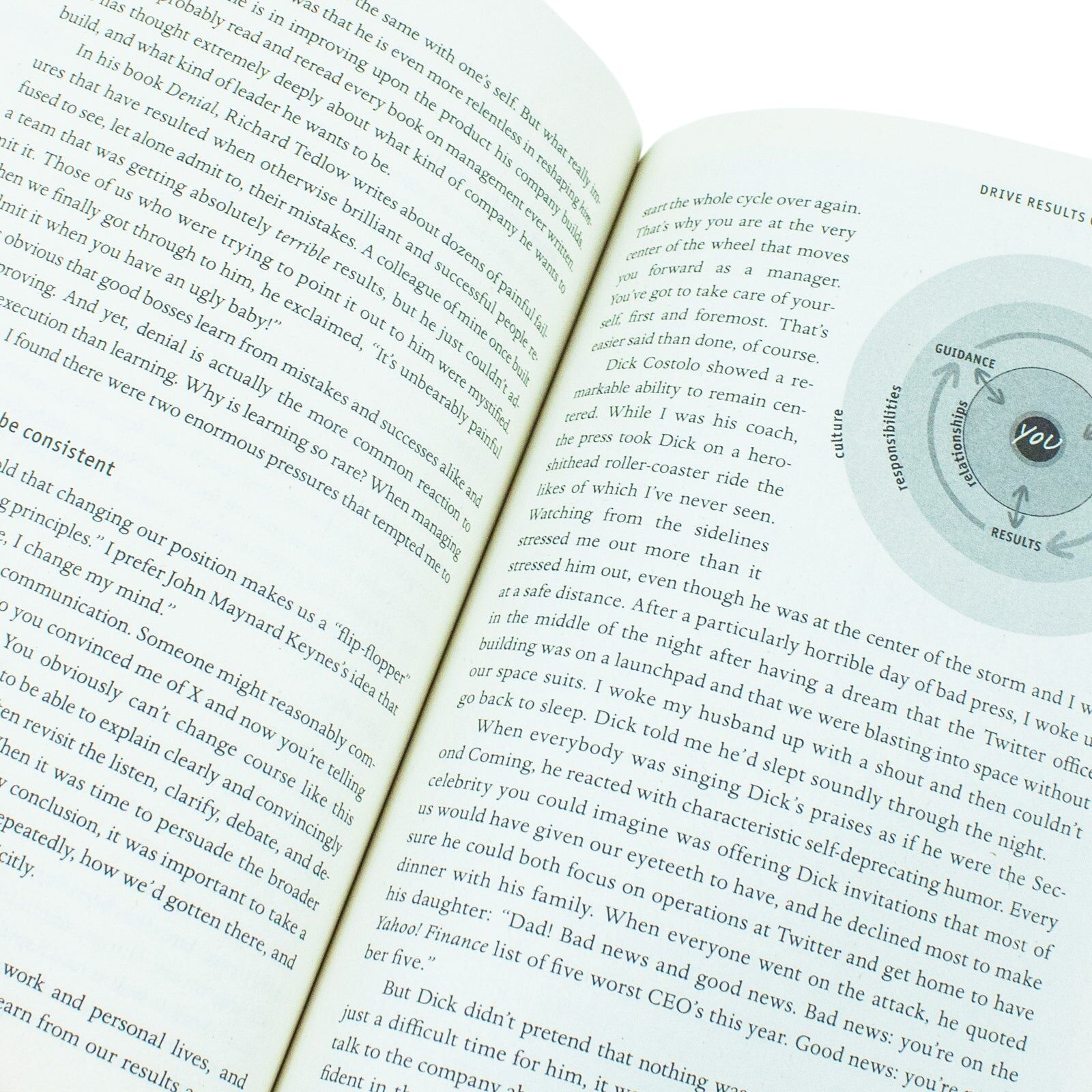
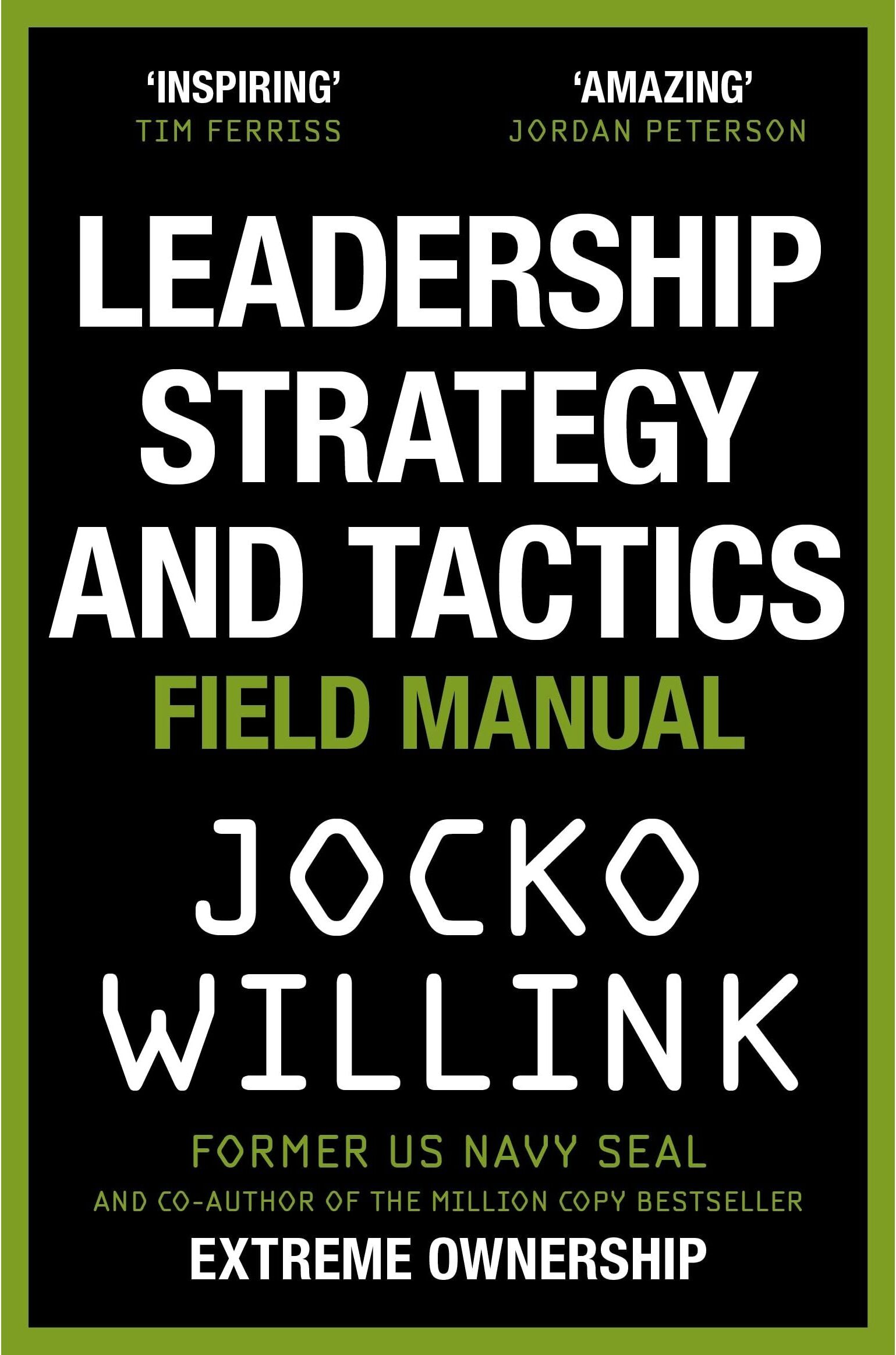
MACMILLAN Leadership Strategy and Tactics: Learn to Lead Like a Navy SEALLeadership is the most challenging of human endeavours. It is often misunderstood. It can bewilder, mystify and frustrate even the most dedicated practitioners. Leaders at all levels are often forced to use theoretical guesswork to make decisions and lead their troops. It doesn’t have to be that way. There are principles that can be applied and tenets that can be followed. There are skills that can be learned and manoeuvres that can be practised and executed. There are leadership strategies and tactics that have been tested and proven on the battlefield, in business and in life. Retired Navy SEAL Officer Jocko Willink delivers his powerful and pragmatic leadership methodology that teaches how to lead any team in any situation to victory. Here, you will learn how to: * Deal with egos and the problems they cause * Earn and build trust with both your subordinates and superiors * Instil pride in your team, without creating arrogance * Overcome challenges presented by a micromanaging, indecisive or weak boss * Create a disciplined team that regulates itself * Use leadership as a tool to teach, mentor, train and correct behaviour of team members * Operate at a maximum level of efficiency – and reap the rewards . . . and more. This book is step one towards becoming the commander of your own life. The rest is up to you.8,99 £*Shipping: 2,99 £Secure redirect to the provider
-
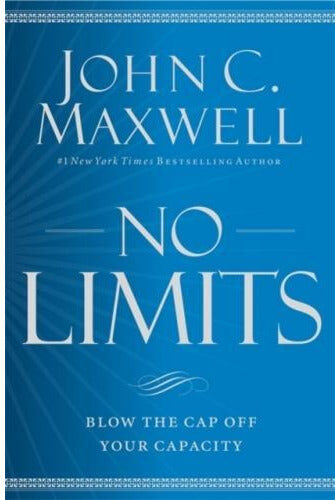
Little Brown Book Group No Limits: Blow the Cap Off Your Capacity by John C. Maxwell – Personal Growth & Leadership Development GuideNo Limits: Blow the CAP Off Your Capacity Description We often treat the word capacity as if it were a natural law of limitation. Unfortunately; most of us are much more comfortable defining what we perceive is off limits rather than what's possible. Could it be that many people have allowed what they perceive as capacity to define them? Have they allowed their perception to limit their attitudes about their potential? In his newest book; John Maxwell identifies 17 core capacities. Some of these are abilities we all already possess; such as energy; creativity and leadership. Others are aspects of our lives controlled by our choices; like our attitudes; character; and intentionality. Maxwell examines each of these 17 capacities; and provides clear and actionable advice on how you can increase your potential in each. He will guide you on how to identify; grow; and apply your critical capacities to your daily life. Once you've blown the 'cap' off your capacities; you'll find yourself more successful--and fulfilled--in your daily life.5,99 £*Shipping: 2,99 £Secure redirect to the provider
-
What is the difference between a primary sensory cell, a secondary sensory cell, and a sensory nerve cell?
Primary sensory cells are specialized cells that directly detect stimuli from the environment, such as light, sound, or touch. Secondary sensory cells receive signals from primary sensory cells and transmit them to the central nervous system. Sensory nerve cells, also known as sensory neurons, are responsible for transmitting the signals from secondary sensory cells to the brain, where they are processed and interpreted. In summary, primary sensory cells detect stimuli, secondary sensory cells relay the signals, and sensory nerve cells transmit the signals to the brain for processing. **
-
Are receptors sensory cells?
Receptors are not sensory cells themselves, but they are specialized proteins located on the surface of sensory cells. These receptors are responsible for detecting and responding to specific stimuli, such as light, sound, taste, or smell. When a receptor is activated by a stimulus, it triggers a series of biochemical reactions within the sensory cell, ultimately leading to the generation of a sensory signal that can be transmitted to the brain for processing. Therefore, while receptors are not sensory cells, they play a crucial role in the sensory process by detecting and transducing stimuli into neural signals. **
-
What is sensory perception?
Sensory perception refers to the process of receiving and interpreting information from the environment through the senses. This includes the five main senses of sight, hearing, touch, taste, and smell, as well as other sensory experiences such as balance, proprioception, and temperature. The brain then processes this sensory information to create a perception of the world around us, allowing us to interact with and understand our surroundings. Sensory perception is essential for everyday functioning and plays a crucial role in how we experience and navigate the world. **
-
What are artificial sensory organs?
Artificial sensory organs are devices designed to mimic the functions of natural sensory organs, such as the eyes, ears, and skin. These devices use advanced technology to detect and process sensory information, allowing individuals to perceive and interact with their environment in a way that is similar to natural sensory organs. Artificial sensory organs have the potential to enhance or restore sensory capabilities for individuals with disabilities, as well as to provide new sensory experiences for people without impairments. These technologies have the potential to revolutionize healthcare and human-computer interaction. **
What are sensory nerve cells?
Sensory nerve cells, also known as sensory neurons, are specialized cells that transmit information from the body's sensory organs (such as the skin, eyes, ears, nose, and tongue) to the central nervous system. These cells are responsible for detecting various stimuli, such as touch, temperature, pain, and pressure, and converting these stimuli into electrical signals that can be interpreted by the brain. Sensory nerve cells play a crucial role in allowing us to perceive and respond to our environment. **
Why is sensory transduction necessary?
Sensory transduction is necessary because it allows the body to convert various forms of environmental stimuli, such as light, sound, touch, and chemical signals, into electrical signals that can be interpreted by the nervous system. This process is essential for the body to perceive and respond to its surroundings, allowing for the detection of potential dangers, the regulation of bodily functions, and the experience of sensations such as taste, smell, and touch. Without sensory transduction, the body would not be able to effectively interact with its environment and respond to changes in its surroundings. **
Top-Angebote
Products related to Sensory:
-
Pan Macmillan Radical Candor by Kim Scott The Bestselling Leadership Book - Management, Feedback & Workplace Culture BookRadical Candor by Kim Scott is a groundbreaking leadership and communication guide that teaches how to give feedback effectively, build trust, and create high-performing teams without becoming harsh—or avoiding difficult conversations. Based on Scott’s experience at Google, Apple and Silicon Valley startups, Radical Candor introduces a simple but powerful framework built on two pillars: Care Personally Challenge Directly The book provides practical tools for giving honest feedback, fostering open communication, strengthening working relationships, and becoming a more compassionate and impactful leader. Perfect for managers, team leaders, HR professionals, and anyone wanting to build a healthy, productive workplace culture. Radical Candor is the perfect handbook for those who are looking to find meaning in their job and create an environment where people love both their work and their colleagues, and are motivated to strive to ever greater success.2,99 £*Shipping: 1,99 £Secure redirect to the provider
-
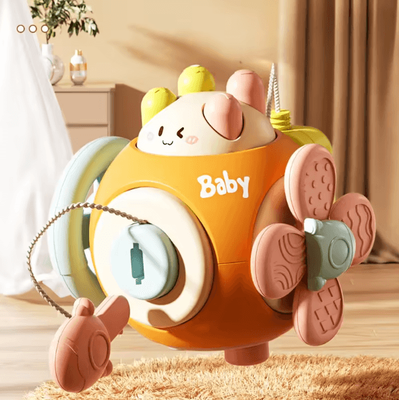
Uplift Curations Montessori Busy Ball Grasping Toy For Early Sensory Development Montessori Busy Ball Grasping Toy For Early Sensory DevelopmentSupport your babys earliest learning moments with a toy designed for discovery and growth. This engaging Montessori busy ball encourages babies to explore, grab, and interacthelping build essential skills through play. Its open, easytohold structure...46,50 $*Shipping: 0,00 $Secure redirect to the provider
-
Tiny Tots Teens Trends Montessori Educational Toy, Hedgehog Fine Motor Skills, Toddler Counting, Sensory Development Montessori Educational Toy, Hedgehog Fine Motor Skills, Toddler Counting, Sensory DevelopmentHedgehog Montessori Educational Toy is a delightful and engaging learning tool designed to help toddlers develop essential fine motor skills, improve their concentration, and enhance sensory development. This toy promotes handson learning through...59,97 $*Shipping: 0,00 $Secure redirect to the provider
-
JoyToys Montessori Baby Sensory Tissue Box Early Learning Toy For Fine Motor Skill Development Montessori Baby Sensory Tissue Box Early Learning Toy For Fine Motor Skill DevelopmentExperience the joy of watching your little one learn through play with this Montessori baby toy designed to spark curiosity from the very first touch. This engaging sensory tissue box encourages babies to pull, grasp, explore, and discover while...34,97 $*Shipping: 0,00 $Secure redirect to the provider
-
How does sensory development progress?
Sensory development progresses through a series of stages, beginning with basic sensory experiences such as touch, taste, and smell in infancy. As children grow, they develop more refined sensory abilities, such as improved vision and hearing, and begin to integrate sensory information to make sense of their environment. This process continues into adolescence and adulthood, with individuals becoming more adept at interpreting and responding to sensory stimuli. Overall, sensory development progresses from basic sensory experiences to more complex and integrated sensory abilities as individuals mature. **
-
What are sensory cells, sensory organs, and senses?
Sensory cells are specialized cells that detect and respond to specific stimuli, such as light, sound, touch, taste, and smell. These cells are found in sensory organs, which are structures in the body that contain sensory cells and are responsible for detecting and transmitting sensory information to the brain. The senses, on the other hand, are the physiological capacities of organisms that provide data for perception. They include sight, hearing, touch, taste, and smell, and are essential for experiencing and interacting with the environment. **
-
What is the difference between a primary sensory cell, a secondary sensory cell, and a sensory nerve cell?
Primary sensory cells are specialized cells that directly detect stimuli from the environment, such as light, sound, or touch. Secondary sensory cells receive signals from primary sensory cells and transmit them to the central nervous system. Sensory nerve cells, also known as sensory neurons, are responsible for transmitting the signals from secondary sensory cells to the brain, where they are processed and interpreted. In summary, primary sensory cells detect stimuli, secondary sensory cells relay the signals, and sensory nerve cells transmit the signals to the brain for processing. **
-
Are receptors sensory cells?
Receptors are not sensory cells themselves, but they are specialized proteins located on the surface of sensory cells. These receptors are responsible for detecting and responding to specific stimuli, such as light, sound, taste, or smell. When a receptor is activated by a stimulus, it triggers a series of biochemical reactions within the sensory cell, ultimately leading to the generation of a sensory signal that can be transmitted to the brain for processing. Therefore, while receptors are not sensory cells, they play a crucial role in the sensory process by detecting and transducing stimuli into neural signals. **
Similar search terms for Sensory
-
MACMILLAN Leadership Strategy and Tactics: Learn to Lead Like a Navy SEALLeadership is the most challenging of human endeavours. It is often misunderstood. It can bewilder, mystify and frustrate even the most dedicated practitioners. Leaders at all levels are often forced to use theoretical guesswork to make decisions and lead their troops. It doesn’t have to be that way. There are principles that can be applied and tenets that can be followed. There are skills that can be learned and manoeuvres that can be practised and executed. There are leadership strategies and tactics that have been tested and proven on the battlefield, in business and in life. Retired Navy SEAL Officer Jocko Willink delivers his powerful and pragmatic leadership methodology that teaches how to lead any team in any situation to victory. Here, you will learn how to: * Deal with egos and the problems they cause * Earn and build trust with both your subordinates and superiors * Instil pride in your team, without creating arrogance * Overcome challenges presented by a micromanaging, indecisive or weak boss * Create a disciplined team that regulates itself * Use leadership as a tool to teach, mentor, train and correct behaviour of team members * Operate at a maximum level of efficiency – and reap the rewards . . . and more. This book is step one towards becoming the commander of your own life. The rest is up to you.8,99 £*Shipping: 2,99 £Secure redirect to the provider
-
Little Brown Book Group No Limits: Blow the Cap Off Your Capacity by John C. Maxwell – Personal Growth & Leadership Development GuideNo Limits: Blow the CAP Off Your Capacity Description We often treat the word capacity as if it were a natural law of limitation. Unfortunately; most of us are much more comfortable defining what we perceive is off limits rather than what's possible. Could it be that many people have allowed what they perceive as capacity to define them? Have they allowed their perception to limit their attitudes about their potential? In his newest book; John Maxwell identifies 17 core capacities. Some of these are abilities we all already possess; such as energy; creativity and leadership. Others are aspects of our lives controlled by our choices; like our attitudes; character; and intentionality. Maxwell examines each of these 17 capacities; and provides clear and actionable advice on how you can increase your potential in each. He will guide you on how to identify; grow; and apply your critical capacities to your daily life. Once you've blown the 'cap' off your capacities; you'll find yourself more successful--and fulfilled--in your daily life.5,99 £*Shipping: 2,99 £Secure redirect to the provider
-
Wilco International LLP How to Win Friends and Influence People by Dale Carnegie Classic Self Help Book on Communication, Leadership, Confidence & Personal DevelopmentDiscover one of the world's best-known personal development books with How to Win Friends and Influence People by Dale Carnegie. First published in 1936, this enduring classic presents practical principles for communicating effectively, building positive relationships and working successfully with other people. Through memorable examples and straightforward advice, Carnegie explores how to make a positive impression, handle disagreements constructively, encourage cooperation and become a more effective communicator. The principles can be applied across everyday life, from personal relationships and social situations to business, management, sales, networking and leadership. Accessible and practical, How to Win Friends and Influence People remains popular with readers interested in improving their communication skills, confidence, interpersonal relationships and professional development. Key Features Classic personal development book by Dale Carnegie Practical principles for improving communication Explores relationships, leadership and interpersonal skills Useful for business, management, sales and networking Helps readers understand effective people skills Suitable for personal and professional development Excellent gift for entrepreneurs, managers and self-improvement readers9,99 £*Shipping: 2,99 £Secure redirect to the provider
-
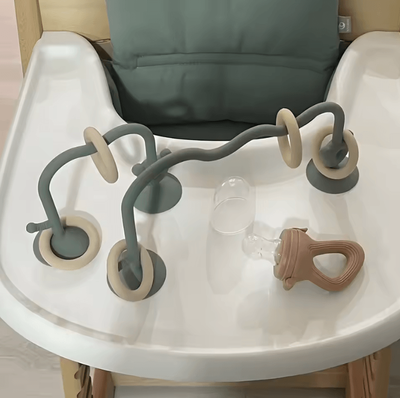
Uplift Curations Colorful Montessori Silicone Bead Toy For Sensory Learning & Early Development pinkTurn playtime into a meaningful learning experience for your little one. This engaging Montessori silicone bead toy is designed to stimulate your babys senses while encouraging handson exploration and creativity. With its bright colors and soft...82,50 $*Shipping: 0,00 $Secure redirect to the provider
-
What is sensory perception?
Sensory perception refers to the process of receiving and interpreting information from the environment through the senses. This includes the five main senses of sight, hearing, touch, taste, and smell, as well as other sensory experiences such as balance, proprioception, and temperature. The brain then processes this sensory information to create a perception of the world around us, allowing us to interact with and understand our surroundings. Sensory perception is essential for everyday functioning and plays a crucial role in how we experience and navigate the world. **
-
What are artificial sensory organs?
Artificial sensory organs are devices designed to mimic the functions of natural sensory organs, such as the eyes, ears, and skin. These devices use advanced technology to detect and process sensory information, allowing individuals to perceive and interact with their environment in a way that is similar to natural sensory organs. Artificial sensory organs have the potential to enhance or restore sensory capabilities for individuals with disabilities, as well as to provide new sensory experiences for people without impairments. These technologies have the potential to revolutionize healthcare and human-computer interaction. **
-
What are sensory nerve cells?
Sensory nerve cells, also known as sensory neurons, are specialized cells that transmit information from the body's sensory organs (such as the skin, eyes, ears, nose, and tongue) to the central nervous system. These cells are responsible for detecting various stimuli, such as touch, temperature, pain, and pressure, and converting these stimuli into electrical signals that can be interpreted by the brain. Sensory nerve cells play a crucial role in allowing us to perceive and respond to our environment. **
-
Why is sensory transduction necessary?
Sensory transduction is necessary because it allows the body to convert various forms of environmental stimuli, such as light, sound, touch, and chemical signals, into electrical signals that can be interpreted by the nervous system. This process is essential for the body to perceive and respond to its surroundings, allowing for the detection of potential dangers, the regulation of bodily functions, and the experience of sensations such as taste, smell, and touch. Without sensory transduction, the body would not be able to effectively interact with its environment and respond to changes in its surroundings. **
* All prices are inclusive of VAT and, if applicable, plus shipping costs. The offer information is based on the details provided by the respective shop and is updated through automated processes. Real-time updates do not occur, so deviations can occur in individual cases. ** Note: Parts of this content were created by AI.